Electricity is something most homeowners use every day without a second thought. It powers lights, appliances, entertainment systems, and essential household equipment. However, behind this convenience lies a range of potential hazards that can become serious safety risks if ignored.
Many electrical dangers develop slowly over time, often hidden behind walls, outlets, or electrical panels. Because of this, homeowners may not notice a problem until it becomes serious. Understanding the most common electrical hazards can help you identify warning signs early and take action before damage or injury occurs.
Below are some of the most important electrical hazards every homeowner should be aware of.
Faulty or Damaged Wiring
One of the most common and dangerous electrical hazards in homes is faulty wiring. Over time, wires can become damaged due to age, wear, pests, moisture, or poor installation.
Damaged wiring may lead to:
- Electrical shocks
- Power outages
- Overheating
- Fire risks
Older homes are especially vulnerable because their wiring systems were not designed to handle today’s electrical demands. If wiring is outdated or deteriorating, it may struggle to safely distribute power throughout the home.
Overloaded Circuits
Modern households use significantly more electricity than homes were originally designed for. When too many devices are connected to a single circuit, it can become overloaded.
Common signs of overloaded circuits include:
- Frequent breaker trips
- Flickering lights
- Warm outlets or switches
- Buzzing sounds from electrical panels
While circuit breakers are designed to protect your home, repeated overloads indicate a deeper issue that should not be ignored.
Outdated Electrical Panels
An electrical panel is the central hub that distributes power throughout your home. If the panel is outdated or undersized, it may not be able to safely handle modern electrical loads.
Outdated panels can lead to:
- Frequent power interruptions
- Inconsistent electrical performance
- Increased risk of overheating
- Difficulty supporting new appliances
Upgrading the electrical panel is often necessary in older homes or during major renovations.
Exposed or Loose Electrical Connections
Loose wiring or exposed connections are serious safety hazards. These issues can occur inside outlets, switches, junction boxes, or even within the electrical panel itself.
Loose connections may cause:
- Sparks
- Burning smells
- Intermittent power loss
- Electrical arcing
Because these problems often develop behind walls, they are not always visible until damage has already occurred.
Water and Electricity Exposure
Water is one of the most dangerous elements when it comes into contact with electricity. Even small amounts of moisture can create serious risks, especially in kitchens, bathrooms, basements, and outdoor areas.
Water-related electrical hazards include:
- Electric shock
- Short circuits
- Damaged wiring
- GFCI trips
That’s why Ground Fault Circuit Interrupters (GFCIs) are required in areas where moisture is present—they help shut off power quickly when a fault is detected.
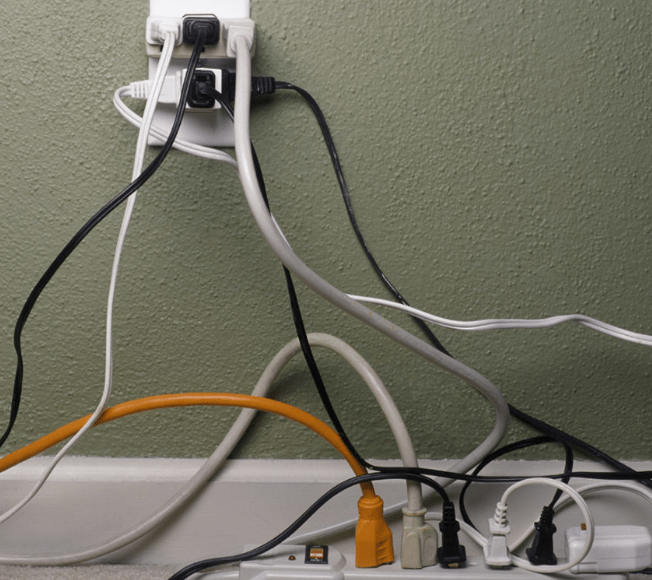
Overused Extension Cords and Power Strips
Extension cords and power strips are often used as a temporary solution, but relying on them too heavily can create safety risks.
Common problems include:
- Overheating
- Overloading circuits
- Trip hazards
- Fire risks when used permanently
If you find yourself using multiple extension cords regularly, it may be a sign that your home needs additional outlets or circuit upgrades.
Electrical Shock Risks
Even mild electrical shocks from appliances, switches, or outlets should never be ignored. These shocks often indicate grounding issues, faulty wiring, or damaged electrical components.
Warning signs may include:
- Tingling sensation when touching appliances
- Small shocks from metal surfaces
- Frequent static-like discharge
These issues require immediate inspection to prevent escalation into more serious hazards.
Old or Unsafe Electrical Outlets
Outlets wear out over time and can become loose, damaged, or outdated. Older two-prong outlets, in particular, may not provide proper grounding, increasing safety risks.
Problematic outlets may:
- Fail to hold plugs securely
- Show burn marks or discoloration
- Spark when in use
- Feel warm to the touch
Upgrading outlets is a simple but effective way to improve household safety.
Why Electrical Hazards Should Never Be Ignored
Electrical issues rarely fix themselves. In fact, they often get worse over time. What starts as a small inconvenience—like a flickering light or occasional breaker trip—can eventually lead to serious damage or safety risks.
Ignoring electrical hazards can result in:
- Electrical fires
- Appliance damage
- Higher repair costs
- Personal injury
Early detection and timely repair are key to maintaining a safe home environment.
When to Call a Professional Electrician
While some minor issues can be identified by homeowners, most electrical hazards require professional evaluation. Attempting DIY electrical repairs can be dangerous and may worsen the problem if done incorrectly.
If you notice recurring electrical issues or signs of danger, it is important to contact a licensed professional immediately.
In urgent situations, an experienced emergency electrician can quickly assess and address hazardous conditions before they escalate.
For routine inspections, repairs, and upgrades, trusted residential electrician services can help ensure your home remains safe, efficient, and up to code.
Electrical hazards are often hidden but can pose serious risks if left unaddressed. Faulty wiring, overloaded circuits, outdated panels, moisture exposure, and damaged outlets are just a few of the common issues homeowners may face.
By staying aware of warning signs and scheduling regular electrical inspections, you can significantly reduce the risk of accidents and maintain a safer home environment. When in doubt, professional support is always the safest choice to ensure your electrical system continues to operate reliably and securely.