
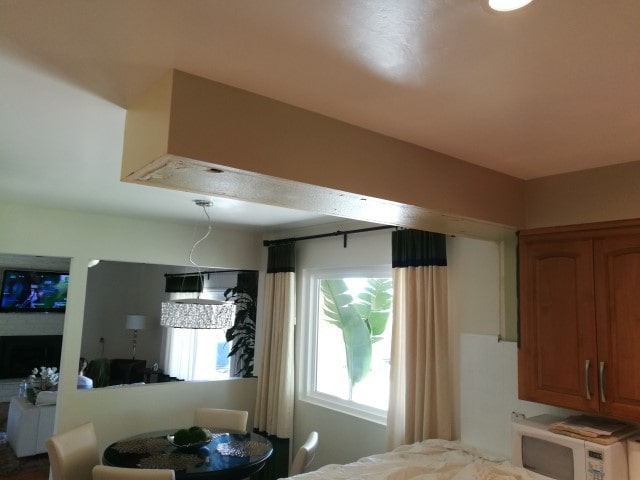
A kitchen soffit can make a good room feel shorter, darker, and older than it should. Many homeowners start the kitchen soffit removal process because they want taller cabinets, cleaner ceiling lines, or a more open look that matches newer American kitchen layouts. The part most people underestimate is not the visible box above the cabinets. It is the hidden work waiting inside it.
Some soffits are empty framing wrapped in drywall. Others hide ductwork, plumbing, electrical runs, vent pipes, or structural details that were easier to cover than reroute when the house was built. That is why a smart remodel starts with inspection, not demolition. Before you swing a hammer, you need to know whether you are dealing with a simple cosmetic upgrade or a project that can affect budget, permits, cabinet plans, and wall repairs. Homeowners comparing remodel ideas through trusted home improvement resources often find that soffit decisions shape the whole kitchen more than expected, especially when planning layouts through modern renovation planning.
Kitchen Soffit Removal Starts With Knowing What the Box Is Hiding
Most soffits look harmless because they sit quietly above upper cabinets, collecting dust and cutting off wall height. That plain surface can fool you. In many U.S. homes, especially houses built from the 1960s through the 1990s, soffits became the easy answer for awkward mechanical runs, uneven ceiling lines, and standard cabinet sizing.
Why Builders Used Kitchen Soffits in the First Place
Builders rarely added soffits for decoration. They used them because soffits solved problems fast. A builder could hide a duct, cover a plumbing stack, bridge a gap above short cabinets, or avoid extra drywall finishing near the ceiling.
That does not mean every soffit hides something scary. Plenty are empty. A suburban ranch kitchen in Ohio or Pennsylvania might have soffits that only exist because the original cabinets stopped at 30 inches high. The builder boxed the empty space because it looked finished at the time.
The surprise is that “empty” still has a cost. Once the soffit comes down, you may expose rough ceiling edges, unpainted wall areas, old cabinet shadows, or framing gaps that were never meant to be seen. The box was not always hiding wires. Sometimes it was hiding rushed finish work.
How to Inspect Before Demolition Begins
A careful inspection saves money because it turns guessing into planning. Start by checking attic access, basement ceiling lines, nearby bathroom locations, and HVAC routes. A soffit near an exterior wall may be harmless, while one running under a second-floor bathroom deserves more caution.
Small inspection holes can reveal a lot. A contractor may cut a controlled opening with a drywall saw, then use a flashlight or small camera to look inside. That tiny hole feels annoying, but it is better than tearing down eight feet of drywall and finding a range hood duct that has nowhere easy to go.
Electrical clues matter too. Recessed lights, outlets, switches, microwave circuits, and under-cabinet lighting can all send wires through a soffit. In older kitchens, wiring may not be arranged neatly. The soffit may be the path of least resistance from one wall to another.
What Contractors Often Find Behind Kitchen Walls
Once the first piece of drywall comes off, the project becomes honest. You stop dealing with design wishes and start dealing with the house as it actually exists. That moment can feel frustrating, but it is also where the better remodel decisions happen.
Ductwork, Plumbing, and Vent Lines That Change the Plan
HVAC ductwork is one of the most common finds inside a soffit. A supply duct feeding a second-floor room or a return line crossing the kitchen can sit inside that box because moving it was cheaper during construction. Removing the soffit may mean rerouting the duct through joist bays, a nearby chase, or another ceiling area.
Plumbing can create a bigger challenge. Drain lines need slope, vent pipes need a legal route, and water lines need protection from freezing in cold states. A vertical pipe from an upstairs bathroom may not be easy to move without opening more walls than you planned.
Range hood ducts deserve their own attention. Many kitchens have poor vent paths that were hidden behind cabinets and soffits for years. If you are already opening the area, it may be the best time to correct a weak vent route instead of covering it again. That choice can improve cooking comfort long after the remodel dust is gone.
Electrical Runs and Old Work That Need a Licensed Eye
Electrical wiring inside a soffit does not always mean trouble, but it does mean you should slow down. A wire crossing the soffit may need to be rerouted, protected, stapled correctly, or placed inside a proper junction box. Loose splices hidden behind drywall are a red flag.
Older homes can add another layer. A kitchen remodeled in 1987, then again in 2004, may have wiring from both eras running through the same cavity. That is where DIY confidence can get expensive. A licensed electrician can tell the difference between a simple reroute and a code issue that should not be buried again.
The counterintuitive truth is that finding bad electrical work early is good news. It feels like a budget hit, but it gives you a chance to fix a hidden risk while the walls are open. Closing new drywall over old mistakes is not savings. It is postponement.
Planning Cabinets, Ceilings, and Finishes After the Soffit Comes Down
Removing the box is only part of the job. The larger design question is what the kitchen should become once that upper wall space is open. This is where homeowners either gain a clean custom look or end up with a patched ceiling that looks like a remodel scar.
Taller Cabinets Are Not Always the Automatic Winner
Many homeowners remove soffits because they want cabinets that reach the ceiling. That can look sharp, especially in kitchens with eight- or nine-foot ceilings. It also adds storage for seasonal dishes, serving pieces, and items you do not use every week.
Still, ceiling-height cabinets are not always the right move. If the ceiling is uneven, taller cabinets can expose every dip and wave. Older homes often have settled framing, and a perfectly straight cabinet line against an imperfect ceiling can make the ceiling look worse.
A better plan may include crown molding, a small scribe detail, or custom filler pieces that hide irregularities. The goal is not to prove the cabinets are tall. The goal is to make the whole wall look intentional.
Drywall, Texture, and Paint Can Decide the Final Look
Drywall repair after soffit removal takes more skill than many homeowners expect. The exposed area may need new drywall strips, corner bead, ceiling patching, sanding, priming, and texture matching. A smooth wall in a newer condo is one thing. Matching an orange-peel or knockdown ceiling in a Florida home is another.
Paint can also become a bigger job. The old soffit area may show color differences, grease marks, or cabinet outlines. Touch-up paint rarely blends well in a kitchen because heat, sunlight, and cooking residue change the existing finish over time.
This is where budget planning needs honesty. A cheap removal can look cheap if the finish work is weak. The best soffit projects spend enough on patching and paint because that is what people actually see when the cabinets are installed.
Budget, Permits, and Timeline Expectations for Homeowners
The kitchen soffit removal process can be simple, but it should never be treated as automatic. Cost depends on what is inside the soffit, how much finish work is needed, and whether other trades must get involved. The smartest homeowners build a flexible plan before demolition starts.
When Permits and Trade Work Become Part of the Project
A cosmetic soffit removal may not require much beyond basic demolition and drywall repair. Once electrical, plumbing, HVAC, or structural framing changes enter the picture, local rules can change. Cities and counties across the U.S. handle permits differently, so the right answer depends on your location.
Electrical reroutes often need licensed work. Plumbing changes may need inspection. HVAC duct relocation can affect airflow, especially if the duct serves another room. Structural questions should go to a qualified contractor or engineer, not a guess from someone standing in the kitchen with a pry bar.
Homeowners sometimes resist permits because they fear delays. That is understandable, but unpermitted work can become a problem during resale, insurance claims, or future remodels. Clean paperwork is boring until you need it. Then it becomes priceless.
How to Keep the Project From Growing Out of Control
A soffit project grows when choices are made in the wrong order. Demolition happens first, then surprises appear, then cabinet plans change, then the budget starts chasing the work. A better order starts with inspection, then cabinet design, then trade estimates, then demolition.
Set aside a contingency before work begins. Even a small one helps. If the soffit is empty, that money can go toward better trim, lighting, or cabinet details. If the soffit hides ductwork, you have breathing room instead of panic.
A practical homeowner in Texas or Michigan may approach the work differently because climate, house age, and local labor rates vary. The shared rule is simple: do not price the job as if the best-case scenario is guaranteed. Old houses punish optimism. Good planning keeps that punishment small.
The cleanest kitchens often come from patient decisions, not dramatic demolition. A soffit can be removed in a day, but the result has to live with your cabinets, ceiling, lighting, and resale value for years. The kitchen soffit removal process is worth doing when you inspect first, respect what the house is hiding, and budget for the finish work that makes the change look natural. Before you commit, walk the space with the right contractor, ask what could be inside the wall, and make the plan before the drywall dust starts flying.
Frequently Asked Questions
How do I know if my kitchen soffit is empty?
A soffit may be empty if it sits only above cabinets and does not line up with plumbing, HVAC, or rooms above. The safest way to know is through a small inspection hole or camera check before full demolition begins.
Can I remove a kitchen soffit myself?
You can remove a cosmetic soffit yourself if it contains no wires, pipes, ducts, or structural framing. The risk is not the drywall. The risk is cutting into hidden systems before you know what they are.
What is usually hidden inside kitchen soffits?
Common hidden items include HVAC ducts, plumbing vents, water lines, electrical wiring, range hood ducts, and rough framing. Some soffits are empty, but many were built to hide mechanical work that did not fit neatly elsewhere.
Does removing a soffit make a kitchen look bigger?
Removing a soffit can make a kitchen feel taller and more open because it exposes more wall and ceiling height. The effect works best when cabinets, lighting, drywall, and paint are finished cleanly afterward.
Do I need a permit to remove kitchen soffits?
A simple cosmetic removal may not need a permit, but electrical, plumbing, HVAC, or structural changes often do. Local rules vary across the United States, so check with your city or county before work begins.
How much drywall repair happens after soffit removal?
Most projects need wall and ceiling patching where the soffit was attached. Texture matching, sanding, priming, and repainting may also be needed, especially if the original drywall was never finished behind the soffit.
Can I install taller cabinets after removing soffits?
Taller cabinets are often possible after soffit removal, but ceiling height and uneven surfaces matter. A cabinet installer may need fillers, trim, or crown molding to make the upper line look clean and custom.
What should I ask a contractor before removing kitchen soffits?
Ask what might be inside the soffit, how they will inspect it, which trades may be needed, whether permits apply, and how drywall repairs will be finished. A good contractor answers before demolition, not after surprises appear.