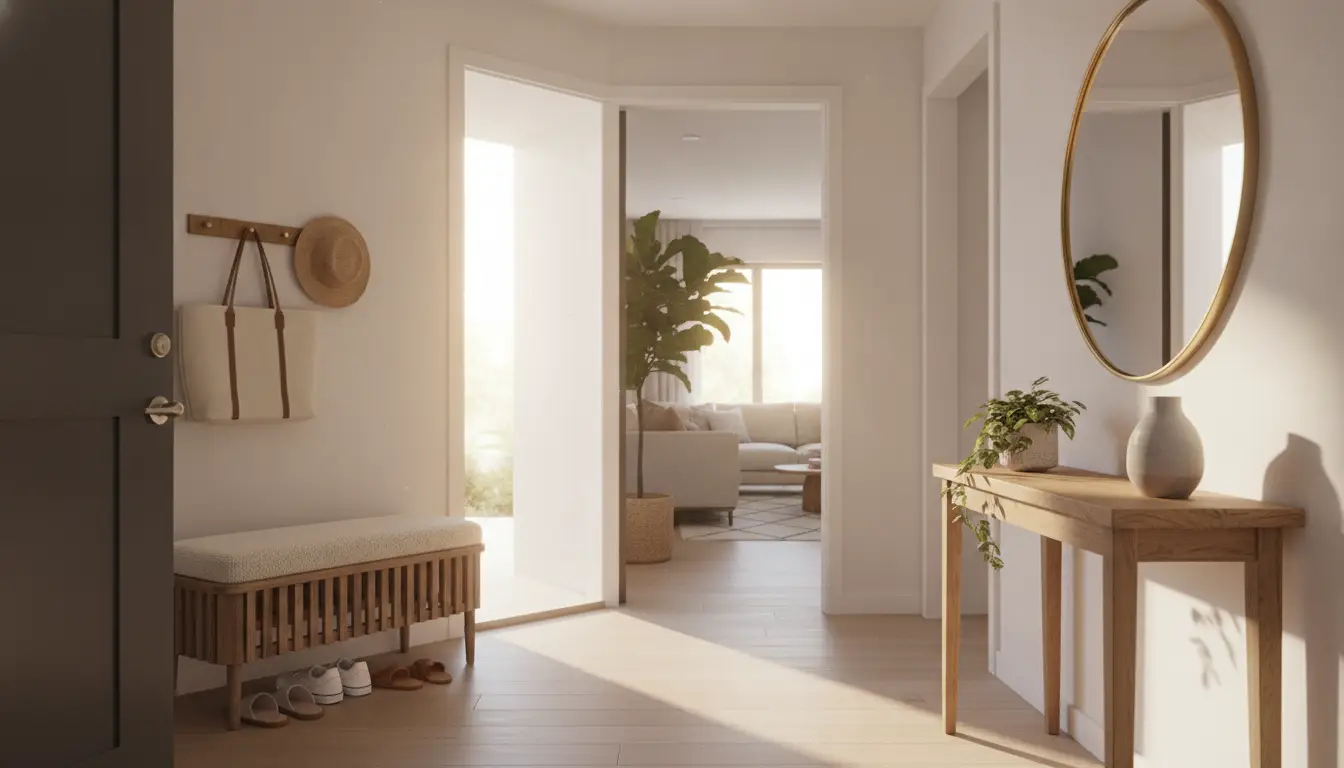

A home can look polished and still be tiring to live in. That is the part glossy room photos never tell you. The real test happens on a rushed Tuesday when shoes pile up, the lamp feels too harsh, the chair no one likes sits in the way, and the room somehow makes ordinary life harder than it needs to be. The best Dwelling Styling Ideas do not begin with trends. They begin with friction. They notice where your hand reaches, where your bag drops, where your eye gets overwhelmed, and where your shoulders finally loosen at the end of the day. That is how style starts earning its place instead of just posing for it. A comfortable home should support your habits, soften your roughest hours, and still look like someone thoughtful lives there. Not perfect. Better. When you style with that mindset, you stop chasing rooms that impress strangers for ten seconds and start building rooms that feel right for years. That shift changes everything, and it usually costs less than people expect.
Dwelling Styling Ideas That Follow the Way You Live
Most rooms go wrong before decor even enters the picture. The layout fails, the entry collects chaos, the seating fights movement, and then people try to fix the stress with cushions and candles. Nice try. Styling works better when it follows your real routines. A room should help you cross it, use it, and reset it without a daily argument. Once movement feels easy, the visual layer has something solid to stand on.
Make the Entry Work Harder Than the Living Room
The entrance is the first honest moment in a home. You cannot fake it there. If the door opens to a messy heap of shoes, tangled bags, and loose post, the whole place feels behind before the kettle even boils. A hardworking entry needs only a few clear moves: a bench if space allows, hooks at the height people will actually use, a tray that catches keys, and one basket that swallows the things that otherwise spread across the floor like gossip.
That zone should reflect the mess your life really creates, not the one a catalog imagines. A family with children needs low storage and wipe-clean surfaces. A single renter who works odd hours may need soft lighting, one strong hook, and a landing spot for a laptop bag. Design gets better when it stops pretending every home runs on the same script. Function first, then shape, then mood. That order saves money and patience.
This is also a smart place to add a little polish without making the space feel stiff. A narrow mirror, a runner that forgives dirt, and a soft lamp can turn a throwaway corner into a quiet reset point. If you want more editorial-style inspiration, home design features on PR Network can spark ideas, but the winning detail is usually the one that removes effort. You come home tired. The entry should know that.
Arrange Furniture for Flow, Not Formality
Living rooms often look balanced and feel awkward. That happens when people place furniture for symmetry instead of movement. A coffee table centered like a shrine does not help if everyone has to snake around it to sit down. The better test is simple: walk through the room carrying laundry, tea, a charger, or a sleeping child in your imagination. Where do you hesitate? Where do you sidestep? That is the layout problem asking to be fixed.
Good furniture placement respects natural shortcuts. It leaves wider paths where the body already wants to turn and keeps useful surfaces within easy reach. In one small flat, the whole mood changed when the sofa moved six inches, the bulky side table disappeared, and a reading lamp shifted closer to the chair people actually used. That was it. No shopping spree. No grand reveal. Just a room that finally stopped blocking its own purpose.
A comfortable layout also gives each seat a role. One spot should suit reading. One should support real conversation. One should welcome the end-of-day flop when you no longer care about posture or polish. Matching sets rarely do this well because they chase visual order more than lived experience. Rooms feel warmer when they behave like people live in them with preference, habit, and a little selfishness. Frankly, they should.
Materials Decide Whether a Home Feels Relaxed or Precious
Once the layout makes sense, touch becomes the next great truth teller. You notice it faster than you think. A scratchy throw, a high-gloss surface that shows every smudge, or a chair fabric that traps heat can sour a room that looks beautiful in photos. Materials shape mood through contact, maintenance, and sound. Homes that feel relaxed usually rely on finishes that wear in gently instead of demanding constant protection from normal life.
Pick Finishes That Survive Real Life Gracefully
Every material asks something of you. Stone can ask for care. Velvet can ask for mercy. Glossy lacquer can ask for fingerprints and regret. That does not make these finishes wrong. It means they belong in the right homes and in the right doses. If you cook often, host often, or live with children, pets, or both, you need surfaces that can take a hit without looking personally offended by it.
Wood with a matte finish tends to age better than shinier options because it absorbs daily life with a kind of dignity. Textured tile can hide the crumbs and wet footprints that would expose a smoother floor every hour. Performance fabrics have become good enough now that you do not need to pick between comfort and self-respect. The smartest rooms are not delicate. They are durable in quiet, handsome ways that never beg for applause.
The trick I trust most is contrast. Build the room on hardworking basics, then add one richer note that lifts the whole thing. A sturdy sofa can handle a finer cushion. A practical dining table can live under a more sculptural pendant. Rougher floor texture can sit beneath airy curtains and still feel refined. That mix protects the room from fussiness while keeping it far from dull. Style should not make you nervous in your own house.
Use Color to Settle the Room Without Draining It
People either fear color or fling it around like confetti. Both mistakes are expensive. Rooms feel calmer when color works like temperature control rather than decoration for decoration’s sake. You want the eye to rest, but you do not want the space to go blank. That is why the strongest palettes often start with earthy, slightly dirty tones rather than pure, icy ones. A little depth makes a room feel lived in before anyone even sits down.
Soft clay, oat, olive, smoke blue, mushroom, and brown-leaning neutrals do heavy lifting because they warm a room without shouting for attention. Then you anchor them with contrast. Dark wood, black metal, deep green, charred brown, or one serious piece in leather can stop the scheme from floating away into forgettable safety. Pale rooms need ballast. Otherwise they read less as peaceful and more as recently surrendered.
Pattern matters too, but it works best when it enters with restraint. A checked cushion, a striped ottoman, or a rug with quiet movement can keep a room awake without turning it noisy. This is where practical comfort shows its best side. The space still feels soft, but it does not feel sleepy. You can think there, host there, read there, and still let the room hold you a little when the day runs long.
Storage Should Calm the Eye Without Hiding Your Life
Clutter does not just make a room look messy. It creates mental drag. Your eye keeps scanning, your hand keeps shifting objects around, and the room starts whispering jobs at you from every surface. Still, a home stripped of all visible life can feel cold in another way. The answer is not sterile minimalism. The answer is a smarter split between what deserves to stay out and what needs a fast, believable place to go.
Display Only What Adds Warmth or Meaning
Open shelves tempt people into decorating by accumulation. That is why they so often end up looking like a polite form of clutter. Good display needs editing, spacing, and hierarchy. It helps to group books where they can support an object, leave true breathing room between pieces, and keep only the things that earn a second look. When every item asks for attention, none of them gets it.
Objects feel better when they tell a story with restraint. A bowl from a trip you still remember clearly, a framed photo that still catches you, a plant that softens the line of a shelf, and a few books you truly return to will always land better than a parade of random filler bought in a panic. Rooms gain character when they sound like your life, not like an algorithm trying to guess your taste.
Display also works better when it suits the room it lives in. In a dining area, keep the visible objects tied to meals, gatherings, and ritual. In a work corner, let the shelf hold books, tools, and a few steadying details. That boundary cuts visual noise and gives the whole room a cleaner rhythm. You do not need to hide your personality. You need to stop making every shelf responsible for all of it.
Hide the Mess Where It Starts, Not Where It Ends
Closed storage earns its stripes in places where mess multiplies fast: the bathroom counter, the media unit, the bedside zone, the kitchen edge where paper breeds overnight, and the utility area that no one wants to think about. The smartest move is to place storage at the source of the problem. If the bin, drawer, or basket sits three steps too far away, clutter will win by Thursday. It always does.
Scale matters more than people think. Very large bins become lazy dumping grounds, while tiny organizers make ordinary tasks feel fiddly and faintly insulting. Medium usually wins. A drawer deep enough for the ugly essentials, a basket that can hold throws without swallowing the room, and a tray wide enough for daily carry items can keep life moving without turning order into a hobby. Systems only last when tired people can still use them.
Hidden storage should still add to the room’s shape. A textured cabinet front, a basket with some structure, or a bedside table with a bit of visual weight can keep practical pieces from feeling clinical. That balance matters. You are not trying to erase evidence of living. You are lowering the static so the room’s better notes come through. That is another form of practical comfort, and it often beats buying fresh decor by a mile.
Comfort Deepens When Light and Habit Work Together
Once movement, materials, and storage settle into place, the room starts asking for subtler things. This is where atmosphere comes in. Not the fake kind. The useful kind. Light, timing, scent, sound, and small rituals decide whether a home merely looks tidy or actually helps you recover. Many people ignore this layer because it feels less visible than a new table or rug. That is exactly why it matters so much.
Layer Light So the Room Changes With the Day
One overhead light cannot do every job, yet many homes keep asking it to. Then evening arrives and the room feels flat, glaring, or oddly lifeless. Good lighting behaves in layers. You need a general glow for movement, focused light where eyes and hands work, and softer pools that make the room feel kind after dark. When these layers overlap well, a modest room starts feeling thoughtful without any theatrical effort.
The easiest place to begin is with evening use. If you read on the sofa, place a proper lamp beside the seat instead of pretending the ceiling light will somehow become intimate through force of will. If the kitchen island turns into homework central, give it directed light warm enough to keep faces flattering and eyes relaxed. Bedrooms deserve the softest approach of all. Gentle bedside lamps beat a harsh central bulb almost every time.
Daylight deserves equal respect. Heavy treatments can flatten a room before noon, while bare windows can leave it exposed after sunset. Sheer linen, light cotton, or layered panels usually strike the right note. Let the day enter softly, then let evening arrive with intention. That daily shift gives rooms emotional rhythm, and rhythm is what makes a home feel alive instead of permanently stuck in one blunt setting.
Create Small Rituals That Keep the Room Feeling Good
A well-styled room still falls apart when daily habits work against it. That sounds obvious, but people forget it all the time. Put the tray where you really drop your keys, not where it looks neat in a corner. Keep the throw where the evening chill actually hits. Store the cloth near the mirror that needs wiping. Tiny decisions like that remove resistance, and resistance is what slowly turns a decent room back into a hassle.
Ritual matters more than spectacle. Open one window every morning in the room that feels stale first. Switch on a lamp before sunset instead of waiting until the room already feels bleak. Keep a tray ready for tea, water, or a book where you naturally land at night. None of this looks dramatic on social media. That is fine. Homes are not stages. They are places that should know you a little.
This final layer is what gives a room trustworthiness. You trust it to support your mornings, your tired evenings, your guests who stay longer than planned, and the odd day when your mood arrives rumpled. If you enjoy browsing related reads, pieces on cozy home living or modern interior style can help sharpen your eye. Then edit ruthlessly. Not every lovely idea deserves a place in your actual life.
Conclusion
A stylish home should not demand applause before it offers comfort. That is the wrong order, and too many rooms suffer because of it. The spaces people remember most are rarely the most expensive or the most polished. They are the ones that feel easy to enter, easy to use, and strangely hard to leave. That effect comes from attention, not excess. You notice friction, solve it, soften the room, and let beauty follow the shape of daily life.
The strongest Dwelling Styling Ideas work because they respect ordinary living. They leave room for shoes by the door, for reading after dark, for storage that does not feel like punishment, and for materials that improve with use instead of collapsing under it. That is the kind of style worth building. It looks good, yes, but more importantly, it keeps paying you back.
So pick one room this week and stop judging it only by how it looks. Watch how it behaves. Move one piece that blocks flow. Add one lamp where the evening turns cold. Remove one clutter magnet. Choose one surface or textile that feels better in the hand. Then keep going. A better home is not built in one big gesture. It is built in smart, human ones.
What are the best dwelling styling ideas for a small home?
Start with the room that irritates you most each day. Fix traffic flow, lighting, and clutter before buying decor. When a space becomes easier to use, style decisions suddenly get clearer, cheaper, and much more effective over time for you.
How do I make my home look stylish and still feel comfortable?
Neutral schemes work when they include depth, texture, and contrast. Flat beige everywhere feels sleepy. Mix warm undertones, darker anchors, natural materials, and one or two pattern notes so the room stays calm without looking washed out or timid anywhere.
Should I buy expensive furniture to improve home comfort?
Expensive furniture helps less than smart placement. A modest sofa in the right spot beats a costly one blocking movement. Spend first on comfort basics you touch daily, then upgrade statement pieces slowly once the room works well for you.
How can I hide clutter without making rooms feel sterile?
Use baskets, trays, closed cabinets, and hooks near the exact place clutter appears. That is the trick most people miss. Storage should shorten the distance between mess and order, otherwise even beautiful organizers become decorative guilt within households for years.
What kind of lighting makes a living room feel cozy?
Warm, layered lighting usually feels best in a living room. Combine a ceiling source, one reading lamp, and one softer lamp for mood. You want enough brightness to function, but not so much that the room feels sharp or exposed.
Do trendy decor pieces ruin long-term comfort at home?
Not unless it stops serving you. Trendy pieces can work if they support your habits and mix with timeless basics. Keep the expensive foundations classic, then let smaller items carry the fun so updates feel easy instead of financially painful.
How do I create practical comfort in a very small apartment?
A small home needs discipline, not deprivation. Choose fewer pieces with cleaner shapes, use vertical storage, keep walkways open, and give each item a job. When everything earns its place, even tight rooms can feel generous and restful every day.
How often should I restyle rooms to keep them feeling fresh?
Restyle seasonally if you enjoy it, but reassess function every few months. Homes drift out of sync when routines change. A quick reset of lighting, storage, textiles, and furniture placement often does more good than buying anything new at all.