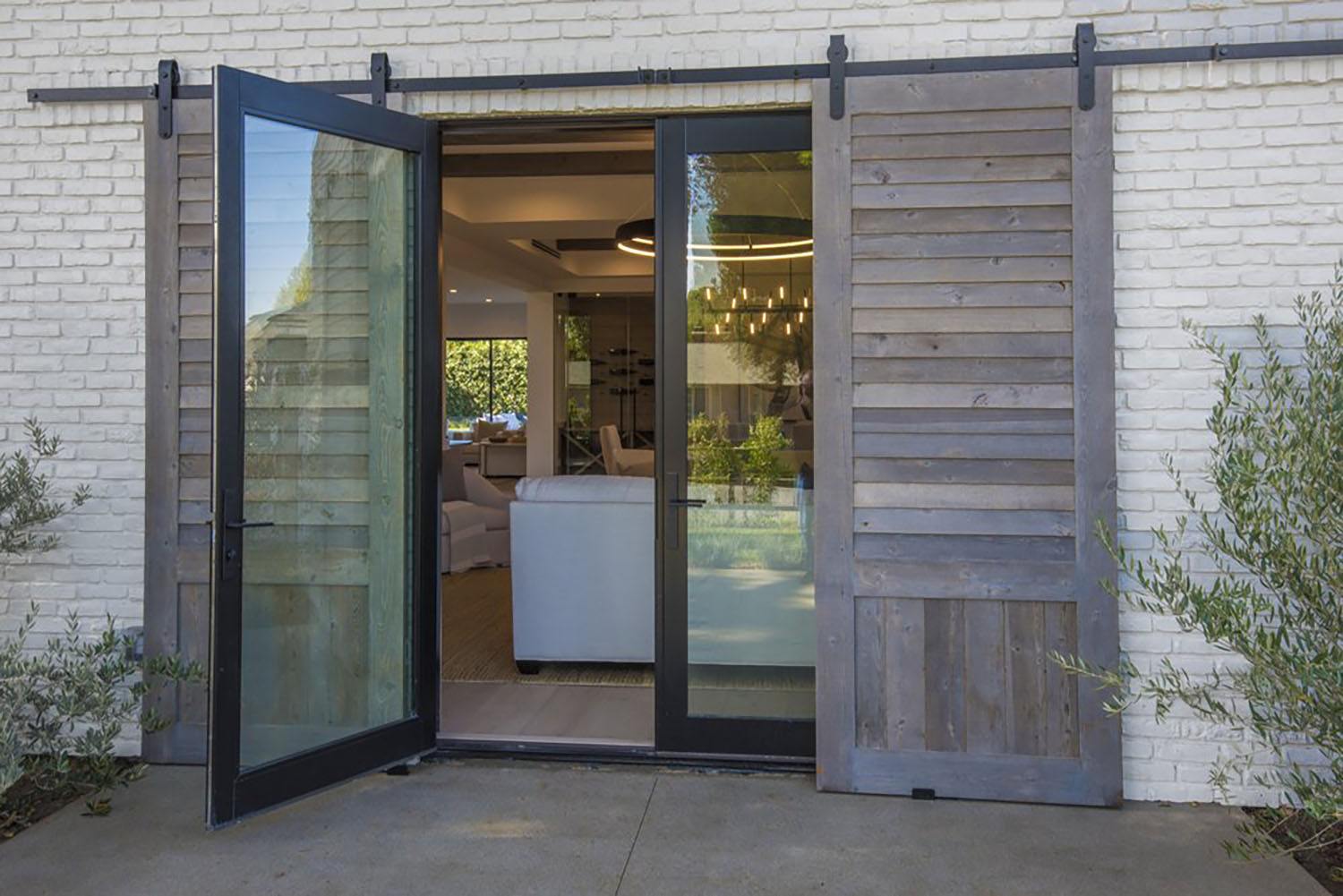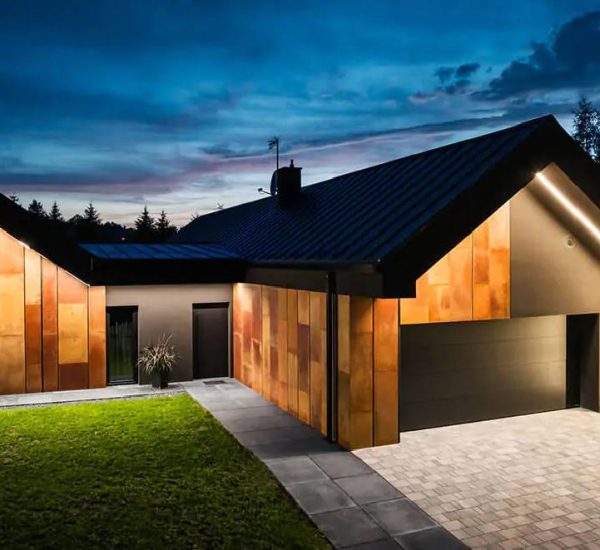
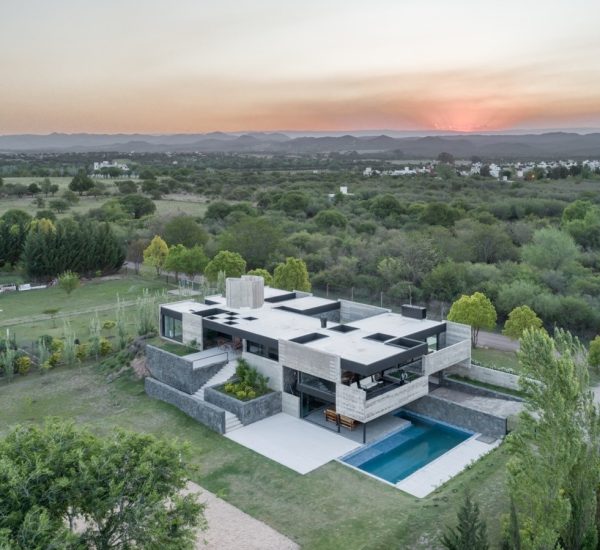
Your home does not need to look like a showroom to feel sharp, current, and deeply personal. It needs to work harder, waste less space, and stop fighting your daily habits. That is where smart dwelling trends start to matter—not as a shiny gimmick, but as a smarter way to live with comfort, beauty, and sanity in the same room.
You can feel the shift the minute you step into a well-planned space. Lights respond without fuss, storage disappears into walls, fabrics calm the eye, and the room finally makes sense. People are tired of homes that photograph well and live badly. Fair enough. A stylish interior should help you cook, rest, host, think, and recover from a long day without turning every task into a small annoyance.
That change is also pushing design away from cold perfection and toward lived-in intelligence. The best rooms now mix warmth with function, texture with restraint, and tech with manners. If you want a home that feels current without feeling temporary, you need more than trend reports. You need taste, nerve, and a few strong decisions that hold up when real life shows up.
Homes Are Getting Smarter, But They Need to Feel Human
You can add devices to every corner and still end up with a house that feels oddly lifeless. That happens when people treat technology as the point instead of the tool. The better approach starts with behavior: where you drop your keys, how you wake up, where clutter collects, when glare hits the sofa, why the dining table has become a second office. Real design begins there. That is also why modern interior style is shifting away from glossy sameness and leaning into spaces that quietly anticipate your day. The smartest room is not the one with the most settings. It is the one that stops stealing your time.
Invisible Tech Makes the Biggest Difference
Hidden technology usually beats visible technology. A speaker built into shelving, under-cabinet lighting on motion sensors, or a thermostat that learns your rhythm does more for everyday comfort than a crowded wall of gadgets. The room stays calm, and you stay in charge. That balance matters because once devices start shouting for attention, the space loses dignity.
I have seen this play out in small city apartments where every inch counts. One client swapped a bulky media console for a floating cabinet with cable management, tucked routers behind perforated panels, and added smart plugs to old lamps instead of buying new fixtures. The result did not scream “future.” It simply felt easier to live in. That is the goal.
Good tech also knows when to step back. A bedside light that dims slowly at night supports better rest than a dramatic automated setup you have to fight with on a sleepy Tuesday. The best systems do not make you feel clever. They make you feel comfortable, which is much rarer.
Rooms Must Respond to Real Habits
A stylish room that ignores your habits will annoy you within a week. You may love an open shelf in theory, but if you throw mail, chargers, and receipts in a pile every evening, then you need closed storage near the entry. You may admire a pale boucle sofa, but if your dog treats it like public property, choose a stronger fabric and keep your peace.
This is where first-principles thinking saves money. Instead of asking what belongs in a “proper” living room, ask what actually happens in yours. Maybe you read there, answer emails there, and eat takeout there. Then design for that truth. Add layered lighting, a side table that can hold a laptop, and upholstery that survives real use.
The surprise is that practical rooms often look better. Once a space fits your behavior, visual clutter drops because the room has a place for things. Style stops feeling forced. Order shows up almost by accident. That is a win worth keeping.
Smart Dwelling Trends That Quietly Improve Daily Living
The strongest shifts in home design do not always arrive with drama. They slip in through better layouts, kinder lighting, smarter storage, and materials that age with grace. Smart dwelling trends worth following are the ones that keep paying you back long after the novelty fades. You notice them on rushed mornings, during messy dinners, and on the rare evening when the house finally goes still.
Lighting Now Shapes Mood, Energy, and Focus
Lighting used to be treated like the final decorative flourish. That was a mistake. Light controls how a room behaves, how skin looks, how focused you feel, and whether a space seems inviting or harsh. One overhead fixture in the middle of the ceiling is not a plan. It is surrender.
Layered lighting changes everything. Start with ambient light for general use, add task lighting where work happens, and finish with accent light that gives the room depth. In practical terms, that might mean a soft ceiling fixture, a reading lamp by the armchair, toe-kick lighting in the kitchen, and a small wall light near art or shelving. The room suddenly gains a pulse.
There is also an emotional side to this. Cooler light can help in work zones during the day, while warmer tones make evenings feel softer and less clinical. A dining room with dimmable warm light turns an ordinary meal into a deliberate pause. That is not fluff. That is atmosphere doing real work.
Storage Has Become a Design Language
Storage is no longer the boring part of the room. Done well, it shapes the architecture itself. Bench seating with drawers, full-height wardrobes that blend into wall color, recessed bathroom shelving, and coffee tables with concealed compartments all solve problems without making the room look like a warehouse. Clean sightlines feel expensive because they are restful.
This matters most in homes where one room has to perform three jobs before noon. A guest room becomes a workout corner. A hallway becomes a mini office. A breakfast nook turns into homework central by four o’clock. Smart storage makes those transitions less chaotic. It gives your home a fighting chance against your schedule.
There is a quiet confidence in built-ins and well-placed cabinetry. They tell the room what it is for without filling it with noise. If you want more ideas on how design and publishing trends intersect, this kind of interior-focused coverage points to where home conversations are heading. A good room should hold your life without displaying every scrap of it.
Materials Matter More Than Flashy Statements
People often chase style through objects when they should start with surfaces. The texture under your hand, the finish that catches afternoon light, the flooring that softens a room, the stone that refuses to look fake—these details build emotional trust. A space can be spare and still feel rich when the materials have character.
Natural Finishes Create Depth Without Noise
Natural materials have a way of calming a room without making it dull. Oak with visible grain, limewash walls, wool rugs, linen drapery, clay-toned tile, and unlacquered brass all bring subtle movement into a space. You do not need loud pattern everywhere when texture already does the talking.
The reason these finishes work so well is simple: they do not freeze the room in one mood. High-gloss surfaces can feel brittle, especially under hard light. By contrast, softer finishes shift through the day. Morning sun catches the wall differently than lamplight at night. That small variation keeps the room alive. It also makes imperfections feel human instead of embarrassing.
I prefer materials that earn their age rather than fear it. A wood table that picks up a mark or two usually looks better after a year, not worse. The same goes for stone with movement and fabrics that soften over time. Perfection is a nervous look for a home. You deserve something more relaxed.
Durable Choices Beat Trend-Chasing Every Time
A stylish room should survive being lived in. That sounds obvious, yet people still buy delicate finishes for high-traffic spaces and then spend months protecting them from their own families. It is a strange way to decorate. Better choices exist, and they do not require sacrificing beauty.
Take kitchen counters. A honed surface often hides daily wear better than a polished one, and matte cabinetry tends to forgive fingerprints more gracefully than ultra-gloss fronts. In family rooms, performance fabrics have become far more attractive than they used to be. You can now choose durable upholstery that does not look like it belongs in a waiting room. Thank goodness.
Durability also changes your relationship with the room. You sit more freely, host more often, and stop hovering over every spill. That ease reads as confidence. It is one reason modern interior style is moving toward materials that feel tactile, grounded, and ready for use rather than precious and untouchable.
Flexible Spaces Are Replacing Single-Purpose Rooms
The old model of rigid room labels is fading fast. Many people no longer have the luxury—or the interest—to keep rooms trapped in one identity. A home office may need to host guests. A living room may double as a workout zone. A kitchen island may carry breakfast, work calls, and late-night conversation in the same day. The house has to keep up.
Furniture Must Earn Its Footprint
Large furniture with one fixed job can drag a room down. Pieces that adapt tend to serve you longer and better. Think nesting tables, extendable dining tables, ottomans with storage, desks that close up neatly, or modular seating that can shift when guests come over. Flexible pieces do not make a room feel temporary. They make it ready.
The trick is to avoid buying transformable furniture just because it sounds clever. A fold-out desk that is awkward to use will stay folded. A sofa bed that ruins everyone’s back will stop being offered. Practical flexibility comes from honest proportions, decent materials, and smooth daily use. Fancy mechanisms do not rescue a bad piece.
One of the strongest examples I have seen was a narrow family room where a slim console expanded into a dining table for six. Most days, it stayed quiet against the wall. On weekends, it became the social center of the home. That is good design: calm when you need space, generous when you need company.
Zoning Beats Walls in Many Modern Homes
Open plans can feel airy, but they can also feel vague. When everything happens everywhere, nothing feels settled. The answer is not always adding walls. Often, it is better zoning. Rugs, lighting changes, shelving, paint shifts, and furniture placement can define activity areas without killing the openness that made the room appealing in the first place.
You can signal a reading corner with a chair, lamp, and small table. You can mark a work area with a tighter light source and a different chair profile. Even a console behind a sofa can create a psychological edge between lounging and circulation. The room keeps breathing, yet it gains structure. People relax when a space makes sense.
This is especially useful in compact homes where walling off every function would make the place feel boxed in. Clear zones allow a room to carry multiple identities without sliding into chaos. If you track design shifts, this kind of adaptable thinking shows up across home and lifestyle discussions because it reflects how people actually live now, not how floor plans used to imagine they would.
Comfort Has Become the Real Luxury
The most admired homes today are not always the most expensive-looking ones. They are the ones that make you exhale the second you walk in. Comfort has moved from an afterthought to a design principle, and that shift feels overdue. A room should not only impress people for ten minutes. It should support the people who live there every day.
Softness Works Best When It Has Structure
Comfort does not mean stuffing a room with oversized furniture and hoping for the best. It means shaping softness with intention. A deep sofa needs visual balance. Plush textiles need cleaner lines nearby. Rounded forms feel inviting, but they work hardest when paired with something crisp—a straight-edged table, a tailored curtain, a disciplined color palette.
This balance keeps rooms from becoming sleepy or shapeless. Consider the living rooms people linger in longest. They usually combine tactile upholstery, warm woods, forgiving lighting, and enough negative space to let the eye rest. That mix feels generous without turning floppy. It also photographs better, which is a nice bonus, though not the point.
There is a personal side to this, too. Comfort often comes from knowing what your body likes. Some people want a firm chair for reading. Others want low seating for conversation. Stop decorating for a fictional version of yourself. Buy for the one who comes home tired and wants the room to meet you halfway.
Calm Color Palettes Help the Mind Catch Up
Color still matters, but the mood has changed. Instead of chasing bold statements in every room, many homeowners now want palettes that settle the nervous system. That does not mean beige surrender. It means choosing shades with depth: smoky greens, mineral blues, warm whites, clay neutrals, muted charcoal, soft mushroom, and earthy reds used with restraint.
These tones work because they support daily life rather than competing with it. A calmer palette gives art, books, plants, and people room to stand out. It also makes transitions between rooms smoother, which helps the whole home feel coherent instead of pieced together from separate moods. Cohesion is underrated. It makes a home feel intentional.
Do not confuse calm with boring. A quiet palette lets texture, shape, and light carry more of the visual interest. That often produces a richer result than loud contrast ever could. The room stops begging for attention and starts earning it. Big difference.
Conclusion
A better home is not built by collecting random trends and hoping they behave like a plan. It comes from choosing what supports your life, editing what does not, and refusing to confuse noise with style. That is why smart dwelling trends matter most when they disappear into the background and leave you with a home that feels easier, warmer, sharper, and more honest.
You do not need a mansion, a giant renovation budget, or a celebrity designer to get there. You need clear priorities. Start with the room that annoys you most. Fix the lighting. Add storage where clutter wins. Choose materials that can take a hit and still look good. Let furniture earn its place. Then pay attention to how the room feels at 7 a.m. and 9 p.m. That is where the truth lives.
The future of interior design is not colder, louder, or more complicated. It is more personal, more responsive, and much less interested in showing off. Take that seriously. Walk through your home this week, note what drains you, and change one thing with purpose. Then another. Good design is not magic. It is a chain of smart decisions that finally lets your home act like it knows you.
FAQ 1: What are smart dwelling trends in home design?
Smart dwelling trends are design choices that blend comfort, technology, storage, and flexibility into everyday living. They focus on how you actually use your home, not just how it looks in photos, which makes spaces feel current and genuinely livable.
FAQ 2: How can I make my home look modern without a full renovation?
Start with lighting, clutter control, and better furniture placement before touching anything expensive. Swap harsh bulbs, add hidden storage, choose calmer colors, and remove oversized pieces. Small, thoughtful edits often create a fresher look faster than dramatic renovation plans ever do.
FAQ 3: Why is hidden technology better for interior style?
Hidden technology protects the mood of a room. When devices blend into cabinets, shelves, or lighting plans, the space feels calmer and less cluttered. You still get convenience, but the room keeps its personality instead of looking like a gadget store.
FAQ 4: Which materials work best for modern homes with kids or pets?
Choose materials that forgive daily life, not ones that demand constant worry. Performance fabrics, matte finishes, textured wood, washable rugs, and durable stone usually hold up well. They let you relax, which is the whole point of a home anyway.
FAQ 5: How do I create a flexible room that serves more than one purpose?
Give each activity a clear zone, even inside one room. Use rugs, lighting, shelving, and movable furniture to define work, rest, or dining areas. A flexible room works best when each zone feels intentional instead of improvised at the last minute.
FAQ 6: Are neutral color palettes still stylish in 2026?
Yes, but they work best when they carry warmth and depth. Flat, lifeless neutrals feel tired. Richer tones like clay, mushroom, warm white, and smoky green create calm without draining personality, which is why they still feel fresh and relevant today.
FAQ 7: What is the biggest mistake people make with smart home interiors?
The biggest mistake is buying technology before understanding the room. Devices should answer real problems like poor lighting, awkward routines, or wasted space. When tech leads the design instead of supporting it, the home feels cluttered, cold, and strangely exhausting.
FAQ 8: How do I start updating my home without wasting money?
Begin with the room that frustrates you most and study your daily habits there. Spend on fixes that solve repeated problems first—lighting, storage, seating, layout. Trendy décor can wait. Function-driven changes usually give the strongest visual payoff and longest-lasting satisfaction.