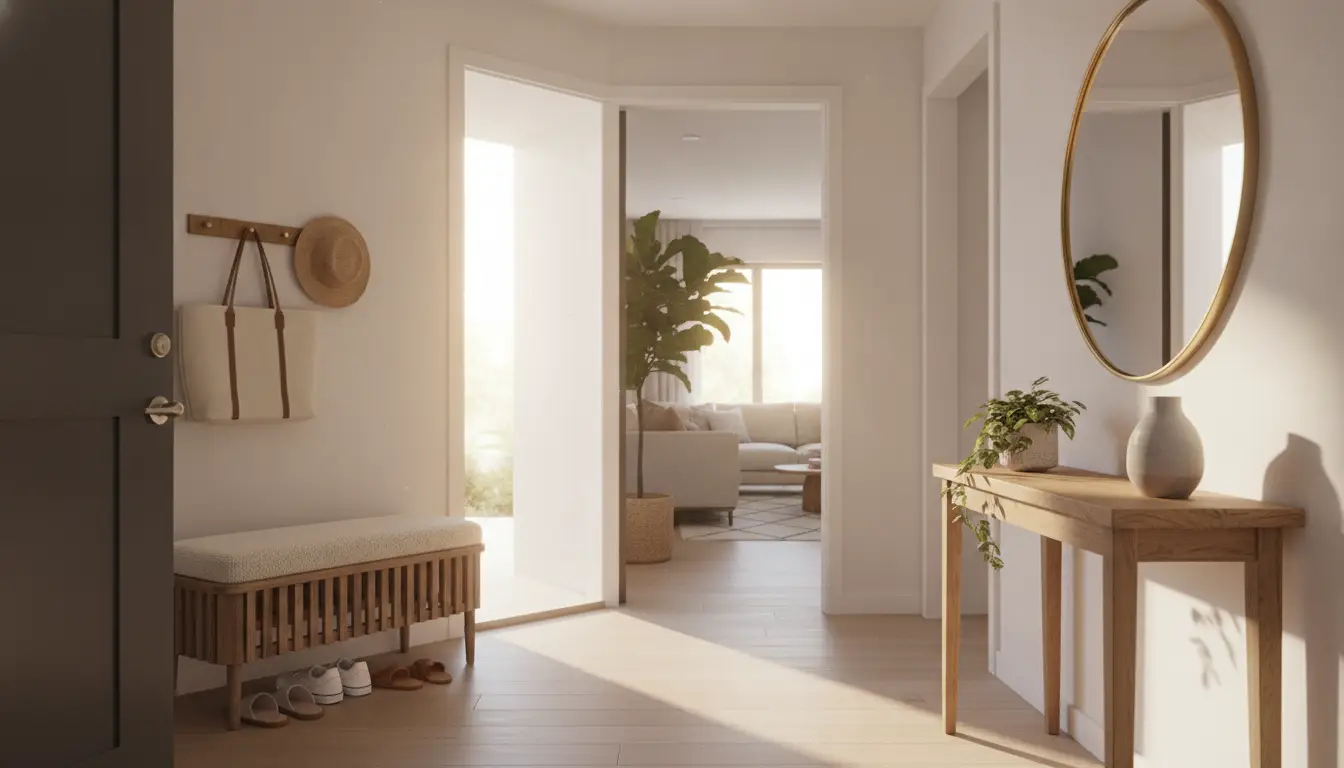

A warm home is not built by money alone. It is built by memory, texture, light, and the small decisions you make when nobody is watching. That is why dwelling inspiration matters more than flashy trends or showroom perfection. You are not trying to impress a camera crew. You are trying to make a place that softens your shoulders when you walk through the door.
Most people chase beauty first and comfort second, then wonder why their rooms look good but feel cold. I think that order is backwards. A home should invite you in before it ever tries to impress you. The chair should feel right. The lamp should calm the room. The corners should not sit there like strangers.
Warmth is not a decorating style. It is a feeling created on purpose through color, rhythm, scale, and use. When you get those pieces right, even a plain room starts to breathe. When you get them wrong, even expensive design feels stiff. This is where real change begins. Not with more stuff, but with better instincts that turn ordinary spaces into places you genuinely want to live in.
Start With Atmosphere Before You Start Shopping
The fastest way to ruin a room is to buy things before deciding how you want the room to feel. People often collect furniture like they are filling empty boxes, and the result is a space that looks complete but never settles. You need atmosphere first. Everything else follows from that decision.
Read the Room Like a Real Person
Your home already tells you what it wants, even if you have ignored it for months. A room with sharp daylight needs different choices than one that stays dim all afternoon. A narrow flat asks for visual ease, not bulky statements. A family room used by tired adults and noisy kids needs grace under pressure, not fragile styling.
Start by standing still for ten minutes in each main room. I mean really still. Notice where your eyes go, where clutter gathers, and where the room feels emotionally flat. That dead corner by the window is not just an empty patch. It is a missed chance for softness, function, or relief.
This is also where honest design begins. Not fantasy design. If you work from the sofa, admit it. If everyone dumps bags at the door, plan for it. If you always read in bed under weak lighting, stop pretending that overhead light is enough. Warm homes come from truth, not aspiration.
Choose a Feeling, Then Build the Space Around It
Once you know how a room behaves, choose the emotional tone you want it to carry. Calm. Cozy. Grounded. Gentle. Lively but still safe. Pick one main feeling and one supporting feeling. More than that, and you start wandering into a mess of mixed signals.
A living room can be calm and welcoming. A bedroom can feel cocooned and quiet. A kitchen can be bright and social without turning hard or clinical. The key is commitment. Warmth does not happen when every object screams for attention. It happens when the room speaks in one clear voice.
This is why trend-led decorating often ages badly. It borrows a mood without respecting the life happening inside the space. You can see this in homes that copy hotel lounges and then wonder why nobody actually relaxes there. Your room is not a set. It is a working part of your day. Treat it like one, and comfort gets easier to build.
Dwelling Inspiration Grows Through Texture, Not Just Color
People love to talk about paint because it feels like a dramatic fix. Paint matters, yes, but texture does the heavier lifting when you want a room to feel warm. A beautiful color on flat, cold surfaces can still leave a room emotionally blank. Texture adds the human part. It gives your eye somewhere to rest and your body something to trust.
Layer Materials That Feel Good at Arm’s Length
A room never feels warm when every surface reflects light the same way. That is the problem in many modern spaces. Too much glass, too much polish, too many hard finishes sitting next to each other like they are afraid of being touched. You need contrast that feels lived with.
Think linen curtains with a wooden side table. A matte ceramic lamp beside a soft upholstered chair. A nubby throw folded over clean cotton bedding. None of these choices need to be expensive. They just need to interrupt sameness. Warmth likes a little friction. Not visual chaos, just enough difference to create depth.
One of the smartest shifts you can make is to choose materials that improve with use rather than those that panic under it. Washed cotton, oak, brushed metal, wool, stoneware. These materials take life well. They do not beg to be protected from every fingerprint. That changes the energy of a home in ways people underestimate.
Stop Decorating Every Surface and Let Texture Do the Talking
A common mistake in cozy homes is overstuffing them. Candles, baskets, books, stems, trays, bowls, frames, beads, and more baskets because apparently one basket can never travel alone. The room starts begging for oxygen. Warm does not mean crowded. It means held.
Texture lets you say more with less. A thick curtain can soften a whole wall. A single worn bench can add character that five decorative objects never will. A good rug can quiet a room both visually and physically. These pieces work because they change the way space feels, not just the way it photographs.
I would rather see one excellent wool throw on a plain sofa than eight cute accessories scattered like confetti. That is not snobbery. It is restraint. And restraint, when done well, feels luxurious in a grounded way. For more ideas on shaping rooms with warmth and clarity, explore thoughtful home storytelling and design strategy as you refine your own direction.
Lighting Decides Whether a Home Feels Welcoming or Exposed
You can get almost everything else right and still lose the room with bad lighting. I have seen lovely homes flattened by a single harsh ceiling fixture that made everyone look tired and every wall feel a bit accused. Light is mood control. Ignore it, and the rest of your effort works half as hard.
Use Pools of Light, Not One Big Blast
The old habit of relying on one overhead light needs to retire with dignity. It is convenient, sure, but convenience is not the same as comfort. A warm room needs layers of light at different heights so the space feels gathered rather than exposed.
Use table lamps for intimacy, floor lamps for depth, and wall lights where you want a gentle glow without extra clutter. In a sitting room, aim for at least three light sources working together. In a bedroom, bedside lighting should feel kind, not clinical. Soft circles of light make a room feel inhabited, even before anyone sits down.
Restaurants learned this years ago. The good ones do not flood the room. They guide your eye and calm your body. Homes should borrow that lesson shamelessly. When light lands in smaller zones, the room feels richer. It also makes evenings more beautiful, which matters more than people admit.
Treat Warm Light as a Design Choice, Not a Technical Detail
Bulb temperature sounds boring until you live with the wrong one. Then it becomes personal. Cool white light can make beige walls go muddy, timber look dry, and skin tone look tragic. Warm light, used well, helps every material in the room settle into itself.
This does not mean turning your house into a dim cave. It means choosing bulbs that support the mood of each space. Living rooms and bedrooms usually benefit from warmer tones. Kitchens can handle a touch more clarity, but even there, stark lighting often feels more like a lab than a place where people gather.
There is also an emotional point here. Evening light tells your nervous system what time it is. Soft lighting helps you transition out of work mode. Harsh lighting keeps the room alert and restless. That is one reason some homes never quite relax after sunset. The problem is not you. It is the bulb.
Furniture Placement Should Support Life, Not Just Symmetry
A room can look balanced on paper and still feel awkward in real life. That happens when layout serves appearance instead of movement. Warm homes work because they understand how people enter, sit, reach, turn, gather, and leave. Good placement is not about making a room look formal. It is about making the room behave better.
Create Conversation, Not Dead Space
Furniture pushed against every wall is one of those habits people rarely question. It feels safe, but it often leaves a cold island in the center and no real sense of connection. Pulling pieces inward, even slightly, changes everything. Suddenly the room feels intentional. Suddenly people know where life is meant to happen.
You do not need a giant room to do this. A small sofa paired with two movable chairs can create a better social setup than one oversized sectional dominating the floor plan. The goal is to let people face each other naturally, with surfaces nearby for drinks, books, or tired elbows.
This matters in family homes especially. When the layout encourages short conversations, people use the room more often and for longer. A warm home is not only about how it looks at rest. It is about what it makes easier. Talking. Reading. Pausing. Staying a little longer before heading back into the noise.
Leave Breathing Room Where You Least Expect It
Not every corner needs to earn its keep with furniture. Empty space, when chosen on purpose, creates calm. It gives the eye a break and lets the fuller parts of the room feel more generous. This is one of those truths people resist because emptiness looks unfinished at first glance. Stay with it. It is doing a job.
A clear walkway beside the bed feels better every morning than a decorative stool you constantly bump into. A hallway with one strong piece and open wall space feels more elegant than one crowded with filler. A dining area gains dignity when chairs move easily and nothing has to be negotiated with your shins.
Real comfort lives in these small freedoms. Not stubbing your toe. Not squeezing past a console. Not shifting a pouf every time you want to sit down. Dwelling inspiration is not only visual. It is physical. The body notices what the eye misses, and the body is brutally honest about whether a room works.
Personal Detail Turns a Styled House Into Your Home
This is where many polished interiors fall apart. They are tasteful, coordinated, and entirely forgettable. A warm home needs some evidence that you exist in it. Not cluttered biography, not sentimental overload, just enough personal detail to make the space yours rather than generic good taste in expensive shoes.
Show Memory in Edited, Meaningful Ways
The best personal rooms do not display everything. They choose. A framed sketch from a trip, a handmade bowl, your grandfather’s old clock, a stack of novels that actually reflect your mind instead of your color palette. These details create gravity because they carry a life behind them.
The trick is editing with affection, not detachment. Keep what sparks recognition. Lose what only fills space. A shelf with six objects that matter will always feel stronger than one packed with bland décor bought in a hurry. Meaning has visual power. You can feel it, even before you can name it.
This is also why copy-and-paste interiors never quite land. They borrow shapes without history. A home needs at least a few pieces that could not belong to anyone else. That is the difference between styled and rooted. One is finished for the day. The other deepens over time.
Let Daily Rituals Shape the Room
The most inviting homes are designed around repeated, ordinary acts. Making tea at night. Reading after dinner. Dropping keys in the same bowl. Sitting near the window on rainy mornings. These habits sound small, but they are exactly where warmth gets built and felt.
If you always curl up in one chair, make that chair better. Add the lamp, the side table, the blanket, the proper cushion. If your kitchen island becomes homework central every evening, stop fighting it and set it up to support that chaos with grace. Good homes stop arguing with life and start accommodating it.
There is a quiet confidence in a room that serves your real habits. It stops trying to perform and starts helping. That shift is huge. It also lasts. Trends fade. Pretty objects lose their charm. But a home that supports your actual day keeps earning its place. That is the kind of warmth worth chasing.
Warmth Lasts When You Choose Evolution Over Perfection
By the time people reach this stage, they usually want one big reveal. A dramatic before and after. A final answer. I get the appeal, but the most comforting homes rarely arrive in one heroic sweep. They become themselves slowly, through adjustment, attention, and a willingness to notice what still feels off. That is the real power of dwelling inspiration. It teaches you to shape a home in layers, with confidence instead of panic.
A warm home is not the one with the most admired sofa or the most copied look online. It is the one that feels good on a hard Tuesday evening and even better on a quiet Sunday morning. It supports your routines, softens your stress, and gives the people inside it somewhere to exhale. That is not a minor achievement. That is good living.
So do not wait until you can redo everything. Start with one lamp, one corner, one chair, one wall, one ritual that deserves more care. Then keep going. Edit hard. Choose slower. Pay attention to what makes you linger. Your next step is simple: walk through your home tonight and fix the one thing that makes the room feel colder than it should. Then build from there.
What is the best way to make a home feel warmer without renovating?
Start with lighting, textiles, and layout. Add warm bulbs, a proper rug, softer curtains, and seating that invites conversation. You do not need demolition to change mood. You need better decisions about comfort, texture, and how the room supports daily life.
How do I choose colors for a warm and cozy home interior?
Pick shades with softness rather than sharpness. Think clay, oat, moss, caramel, muted blue, and creamy white. Test them in morning and evening light. A color that feels gentle at noon can feel flat later, so always judge it across a full day.
Why does my house look nice but still feel cold?
That usually means the room has style but lacks emotional balance. Hard finishes, harsh lighting, awkward spacing, and too many decorative fillers can cause it. Warmth comes from texture, useful placement, personal detail, and lighting that makes people want to stay.
What furniture layout makes a living room feel more inviting?
Pull seating inward so people can talk without raising their voices. Keep surfaces within easy reach and avoid pushing everything against the walls. Leave clear walking paths, but do not confuse emptiness with comfort. Rooms need connection more than formal symmetry.
How can I add personality to my home without making it cluttered?
Choose fewer objects with stronger meaning. Display travel finds, family pieces, favorite books, or art that carries memory. Edit hard and leave space around what stays. Personality looks better when each item has a reason to be there, not just a shelf to fill.
Are warm homes always decorated in beige and brown tones?
No, and that idea has done plenty of damage. Warmth comes from balance, texture, and mood, not one color family. Deep green, dusty blue, terracotta, plum, and soft charcoal can all feel welcoming when the materials, lighting, and scale are handled well.
How do I make a small home feel cozy instead of cramped?
Use fewer, better pieces and let them work harder. Choose furniture with visible legs, layer soft textures, and keep lighting low and varied. A small home feels cozy when movement stays easy and every corner has a purpose instead of visual noise.
What should I buy first when improving a cold-feeling room?
Buy the item that changes both function and mood at once. That is often a rug, lamp, curtain, or chair. Start where your body notices discomfort most. Fix that pressure point first, and the whole room begins to feel more settled.