
A backyard surface looks simple until the first crack, puddle, stain, or repair bill shows up. That is why patio pavers deserve a serious look before you pour one broad sheet of concrete and hope it behaves for the next twenty years. Across American homes, from humid Florida patios to freeze-thaw Midwest yards, the smarter choice often depends less on style and more on soil, drainage, budget, and how you actually live outside. A family that grills every weekend needs a different surface than a homeowner staging a clean resale upgrade. You can also find broader home improvement and property ideas through trusted home upgrade insights when planning projects that affect curb appeal and long-term value. The real question is not which option looks better on day one. It is which one still feels like the right call after storms, furniture movement, weeds, stains, repairs, and summer heat have all had their say.
Why Patio Pavers Fit More Backyards Than People Expect
Most people assume pavers are mainly about looks, but that sells them short. Their real strength is movement. A patio built from separate units can shift slightly with the ground, then settle back into service without one ugly failure line running through the whole space.
Concrete Patio Problems Start Below the Surface
A concrete patio feels solid because it is solid, but that can become its weakness. Soil under a slab does not stay frozen, dry, wet, or compacted forever. In parts of Ohio, Pennsylvania, Illinois, and New York, freeze-thaw cycles can push and pull at the base until small cracks turn into visible lines.
The tricky part is that many homeowners blame the concrete itself. Often, the slab is only showing what the ground has been doing for years. Poor base prep, shallow excavation, weak drainage, and tree roots all turn a clean slab into a map of pressure points.
A stamped concrete patio can hide minor surface flaws for a while, but it cannot hide structural movement forever. Once the slab cracks through a pattern, the repair rarely disappears. You can patch it, tint it, seal it, and squint at it from the kitchen window. The scar still wins.
Paver Patio Cost Makes More Sense Over Time
The first bid can make pavers look like the expensive choice. A paver patio cost estimate often includes deeper base work, edge restraints, bedding sand, cutting, and more labor. That number feels heavier than a plain broom-finished slab.
Long-term math can tell a different story. If one section sinks near a downspout, a contractor can lift those units, fix the base, and relay them. The repair stays local. You are not breaking out a large slab or trying to color-match a patch that will always look newer than the surrounding surface.
That matters in everyday American homes where patios take real abuse. Grill grease drops. Kids drag chairs. Patio tables sit in the same place for years. A damaged paver can be replaced like a single cracked tile, while a damaged slab often turns into a bigger conversation than anyone wanted.
Where Concrete Still Wins for Simple Outdoor Living
Concrete has a plain honesty that many homeowners should not dismiss. When the site is stable, the budget is tight, and the design is simple, a slab can deliver a clean outdoor floor without turning the project into a major design decision.
Backyard Patio Materials Should Match the Yard
Backyard patio materials need to answer to the property, not a showroom display. A small ranch home in Arizona with dry soil and a basic seating area may not need a layered stone look. A simple slab can feel calm, practical, and right.
Concrete also works well when the patio connects to a garage, walkway, or driveway. The visual match can make the property feel more connected. That is useful for homes where the outdoor space is functional first and decorative second.
The unexpected truth is that concrete can look better when it stops pretending to be stone. Plain concrete with sharp control joints, clean edges, and a good finish often ages with more dignity than cheap stamped work trying too hard to imitate expensive pavers.
Patio Installation Speed Can Matter
Patio installation time matters when you are trying to finish a yard before a graduation party, rental listing, or home sale. A slab can move faster than a paver build when weather, crew availability, and site access cooperate.
Speed does not mean careless work. The base still needs attention, forms must be set properly, and control joints must be planned before cracks choose their own route. A rushed slab is not a bargain. It is a future repair wearing fresh gray skin.
Concrete also gives you a smoother surface for rolling furniture, wheelchairs, walkers, and outdoor carts. For older homeowners or families hosting relatives with mobility needs, that smoothness can be more useful than the prettiest pattern in the neighborhood.
Cost, Maintenance, and Repair Decide the Real Winner
The winning patio is usually the one you can maintain without resentment. Beauty matters, but the monthly and yearly experience matters more. Dirt, weeds, sealing, stains, repairs, and drainage will shape how you feel about the surface after the first season ends.
Paver Patio Cost Depends on Labor More Than Material
Paver patio cost can change a lot from one region to another because labor drives the final number. A tight urban backyard in Boston may cost more than a wide-open suburban yard in Texas because crews need more time to move materials, cut edges, and manage access.
The base also changes the price. Clay soil, poor drainage, tree roots, slopes, and old concrete removal can all raise the bid. A homeowner may think they are buying stones, but the real purchase is the hidden structure beneath them.
That hidden structure is where cheap bids become dangerous. Thin base layers, weak edge restraints, and poor compaction can make pavers spread, sink, or wobble. The surface may look sharp at first, then start telling the truth one corner at a time.
Concrete Patio Maintenance Is Simple Until It Is Not
A concrete patio usually asks for less day-to-day attention. Sweep it, wash it, keep stains from sitting too long, and reseal decorative finishes when needed. That simple routine appeals to homeowners who do not want another outdoor chore.
Problems grow larger when the surface cracks, flakes, or settles. A small hairline crack may be harmless, but a wide crack with height difference creates a trip edge and a visual problem. Repair materials can reduce damage, yet they rarely restore the slab to its first-day look.
Pavers ask for more small care. Sand may need refreshing. Weeds may appear in joints. A few units may shift. The tradeoff is that most of those problems stay manageable. Concrete often ignores you for years, then sends a larger bill.
Style, Resale Value, and Climate Change the Answer
A patio does not sit in a vacuum. It sits under your climate, beside your house, inside your budget, and in front of future buyers. The best choice balances taste with the kind of trouble your region likes to create.
Backyard Patio Materials Affect Curb Appeal
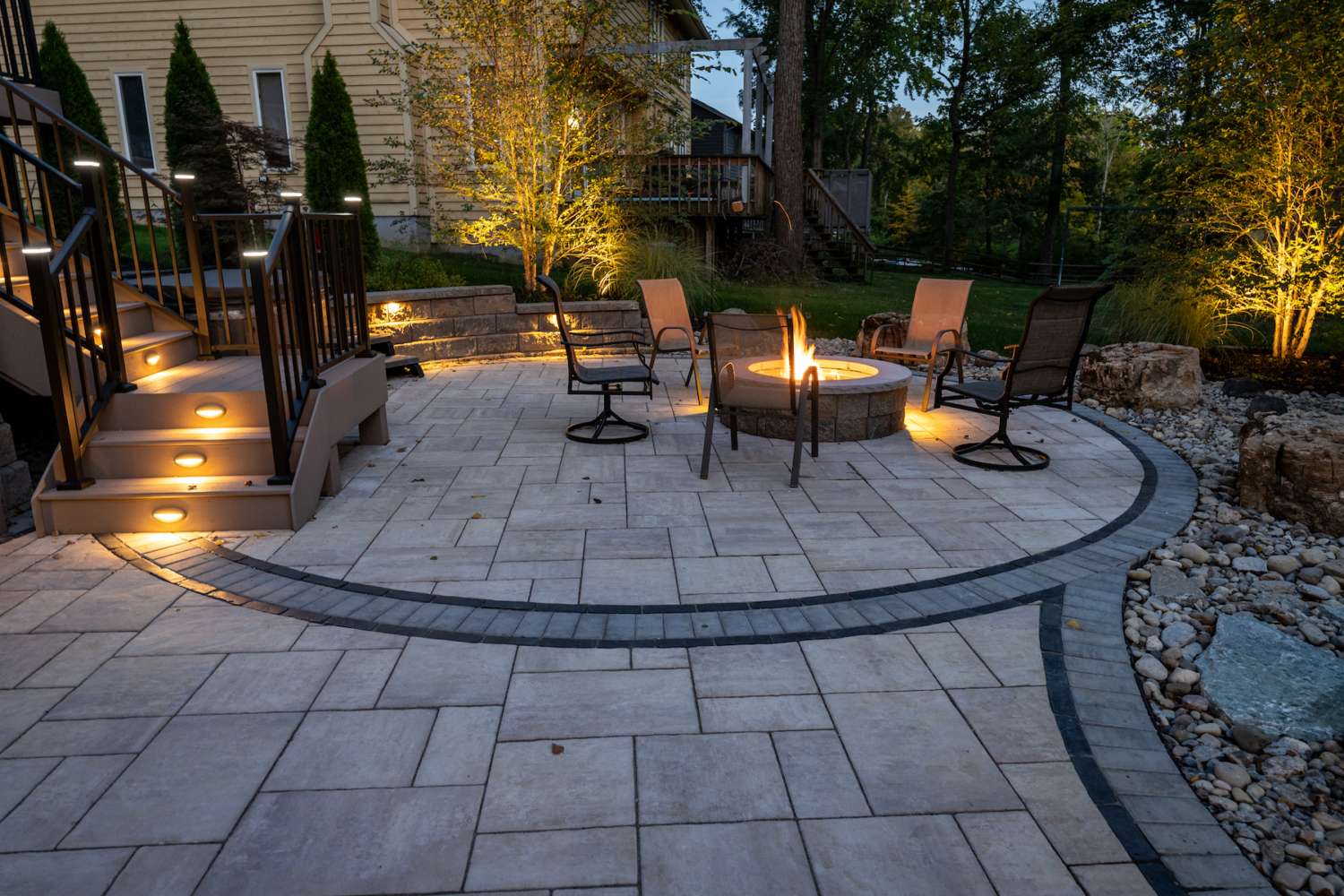
Backyard patio materials shape how finished a home feels. Pavers can make a yard look designed, not merely paved. That matters when the patio is visible from big windows, a deck, a pool area, or the main entertaining space.
Texture and color give pavers an edge. You can choose warm earth tones for a Craftsman home, crisp gray units for a modern build, or tumbled shapes for a cottage-style yard. The patio becomes part of the design language instead of a flat gray pause.
Concrete can still support resale when it looks clean, intentional, and well placed. Buyers do not always need fancy. They need a safe, usable outdoor surface that does not whisper “repair me” during the showing.
Patio Installation Should Respect Local Weather
Patio installation choices should change by region. In the Northeast and upper Midwest, ground movement makes flexible surfaces attractive. In the Southwest, heat and sun exposure can make color choice and surface comfort more important. Along the Gulf Coast, drainage can decide everything.
Permeable pavers deserve attention in areas with heavy rain or strict stormwater rules. They allow water to move through joints into a prepared base instead of racing across the yard. That can help reduce puddling when the system is designed correctly.
Concrete works best when drainage is planned with care. The slab needs proper slope, smart joint placement, and enough base support to handle local soil behavior. A good contractor will talk about water before talking about finish. That is usually a good sign.
Conclusion
The better patio is the one that fits your ground, your climate, your budget, and your tolerance for future repairs. A slab can be a smart answer for clean, simple, affordable outdoor space, especially when the soil is stable and the design does not need much texture. Still, patio pavers often win for homeowners who care about repair flexibility, drainage options, richer style, and long-term control. The extra upfront cost can feel sharp, but it often buys freedom later. You can fix a small problem without making the whole surface look patched together. Before choosing, walk your yard after rain, look at nearby tree roots, think about freeze cycles, and be honest about how much maintenance you will actually do. Then get two detailed bids from local contractors who explain the base, drainage, and repair plan clearly. Choose the surface that will age well under your real life, not the one that only looks good in a sample photo.
Frequently Asked Questions
Are pavers better than concrete for patios in cold states?
Pavers often handle cold climates better because separate units can move slightly during freeze-thaw cycles. A slab can crack when the ground shifts under it. Proper base preparation still matters most, so the installer’s skill can decide the final result.
Is a concrete slab cheaper than pavers for a backyard patio?
A plain concrete slab usually costs less upfront than pavers. The price difference grows when pavers need extra cutting, drainage work, or detailed borders. Long-term repair costs can narrow the gap if the slab cracks or settles badly.
How long do pavers last compared with poured concrete?
Well-installed pavers can last for decades because damaged units can be replaced without rebuilding the whole patio. Poured concrete can also last many years, but major cracks, surface scaling, or settlement are harder to hide once they appear.
Which patio surface is easier to maintain every year?
Concrete usually needs less routine maintenance because it has no joints to refill. Pavers may need joint sand, weed control, and occasional leveling. The tradeoff is repair control, since individual pavers are easier to lift and replace.
Do pavers increase home value more than concrete?
Pavers can improve perceived value when they match the home’s style and look professionally installed. Buyers often notice texture, color, and design detail. Clean concrete can still support value when it is safe, well placed, and free from major cracks.
Can you install pavers over an existing concrete slab?
Pavers can sometimes go over an existing slab if the concrete is stable, properly sloped, and not badly cracked. Drainage and height changes near doors matter. A contractor should inspect the slab first because trapped water can create problems later.
Which patio option is better around a pool?
Pavers are often preferred around pools because they offer texture, design flexibility, and easier spot repairs. Concrete can work too, especially with a slip-resistant finish. Heat, drainage, and comfort under bare feet should guide the choice.
What should I ask a contractor before choosing patio materials?
Ask about excavation depth, base material, drainage slope, edge restraints, joint treatment, sealing, warranty, and repair options. A strong contractor explains what happens below the surface. Weak answers about the base are a warning sign.