
Extra space sounds simple until the city asks what, exactly, you plan to build. A garage conversion can turn a cold storage zone into a bedroom, office, rental suite, gym, or family room, but in most U.S. cities, it is not a weekend makeover. Walls, outlets, insulation, windows, parking rules, ceiling height, fire separation, and emergency exits can all decide whether the project gets approved or stopped. Homeowners often think the permit is the boring part. It is not. The permit is the part that protects the value of the finished room. Before you spend money on framing or flooring, study the local rules, talk with your building department, and use trusted homeowner resources like residential improvement guidance to understand how planning affects the finished result. The smartest projects start on paper because paper is cheaper than demolition. Once the city sees the space as legal living area, you can enjoy it without worrying about resale problems, insurance gaps, or a future inspector telling you the room does not count.
Why Garage Conversion Permits Matter Before Any Work Begins
A legal living space has to meet a higher standard than a garage because people will sleep, work, breathe, and spend long hours there. That single shift changes everything. A garage can be unfinished, drafty, dim, and sloped toward the driveway. A living room cannot be treated the same way by most building departments.
When a garage becomes habitable space
A garage becomes habitable space when its main use changes from parking or storage to daily living. That may mean a bedroom, den, home office, studio, playroom, or guest suite. The name you give the room matters less than how the city sees its use.
This is where homeowners get caught. They tell themselves they are “only finishing the garage,” then add drywall, heat, outlets, flooring, and furniture. An inspector may look at the same work and see a full change of use. Once that happens, the project needs review under residential building standards.
A family in Phoenix, for example, may want to turn a two-car garage into a teen hangout with a mini-split, vinyl plank flooring, and recessed lights. That may feel harmless. Yet the city may still ask about insulation, electrical load, smoke alarms, ventilation, and whether the home still meets parking rules.
The unexpected truth is that a basic-looking room can create more permit issues than a fancy one. A plain bedroom with no proper egress window may fail faster than a polished hobby room with correct exits, heat, and wiring.
Why unpermitted work can follow the home for years
Unpermitted work rarely stays hidden forever. It may surface during appraisal, insurance review, refinancing, a home sale, or a neighbor complaint. The problem is not only that the work exists. The problem is that nobody official confirmed it was safe when it was built.
Buyers are becoming sharper about converted spaces. A listing may call the room “bonus space,” but a cautious buyer will ask whether it is included in legal square footage. If the answer is vague, the room may lose value during negotiation.
Insurance can be another quiet problem. If a fire starts in an unapproved converted garage, the carrier may look closely at the wiring, heating, and permitted status. That does not mean every claim is denied, but it can add pressure when you least need it.
The cleanest path is boring at first. Get the permit, pass inspections, keep the records, and save every approval. That folder may matter more at resale than the flooring brand you picked.
The Garage Conversion Approval Path From Plans to Final Inspection
A garage conversion approval process usually starts before anyone swings a hammer. The city wants to know what exists now, what will change, and whether the finished room will meet code. Good drawings answer those questions before the inspector has to guess.
What building departments usually want to see
Most building departments ask for a site plan, floor plan, framing details, electrical layout, mechanical notes, insulation specs, and sometimes energy calculations. Some cities also want proof that required parking will remain on the property.
The plans do not always need to be museum-quality drawings, but they must be clear. A hand sketch may work for a small interior change in one town, while another city may require stamped drawings from a licensed professional. Local rules decide the standard.
A homeowner in Sacramento, for instance, may need to show how the old garage door opening will be closed, where new windows will go, and how the room will be heated. If the space becomes a bedroom, the plan may also need smoke alarms, carbon monoxide alarms, and emergency escape details.
The part many people miss is the existing condition. Cities care about what is already there because older garages often lack the floor height, moisture protection, or wall assembly needed for living space. The project is not only about adding finishes. It is about proving the shell can safely change roles.
How zoning and parking rules affect the plan
Building code is not the only gatekeeper. Zoning can decide whether the project is allowed before construction details even matter. Lot size, setbacks, parking minimums, driveway layout, accessory dwelling rules, and neighborhood overlays may all enter the review.
Some U.S. cities have relaxed parking rules to encourage more housing, especially for accessory dwelling units. Others still expect a home to keep a certain number of off-street spaces. A garage that disappears on paper may create a zoning issue even if the room itself meets building code.
This is why two homes on the same street can face different answers. One lot may have a long driveway that still provides parking. Another may depend entirely on the garage to meet local requirements. Same idea, different result.
A smart first step is to ask the planning department one blunt question: “Can I remove this garage parking and still comply?” That answer can save weeks of design work. Sometimes the permit problem is not inside the walls at all. It is sitting in the driveway.
Building Code Details That Decide Whether the Space Passes
A converted garage has to feel like part of the home, but more than that, it has to perform like part of the home. Inspectors look beneath the surface. The room may look finished to you, yet fail because air, heat, water, fire safety, or exit paths were not handled correctly.
Insulation, moisture, and floor height concerns
Garages often start with thin walls, exposed concrete, and air leaks around the overhead door. Living space needs thermal comfort. That means wall insulation, ceiling insulation, sealed gaps, and sometimes upgraded windows or doors.
Concrete floors create their own issues. Many garage slabs sit lower than the house floor, slope toward the driveway, or lack the moisture protection expected under finished flooring. Covering that slab without solving moisture can lead to warped floors, odor, or mold complaints later.
A contractor in Ohio may recommend raising the floor with sleepers or a framed subfloor. In Florida, moisture and wind rules may push the design in another direction. Climate changes the smartest answer, which is why copying a YouTube build from another state can backfire.
The counterintuitive move is to spend money where nobody will see it. Insulation, air sealing, and moisture control do not photograph well, but they decide whether the room feels like living space in January, July, and every damp morning between.
Electrical, HVAC, exits, and fire safety
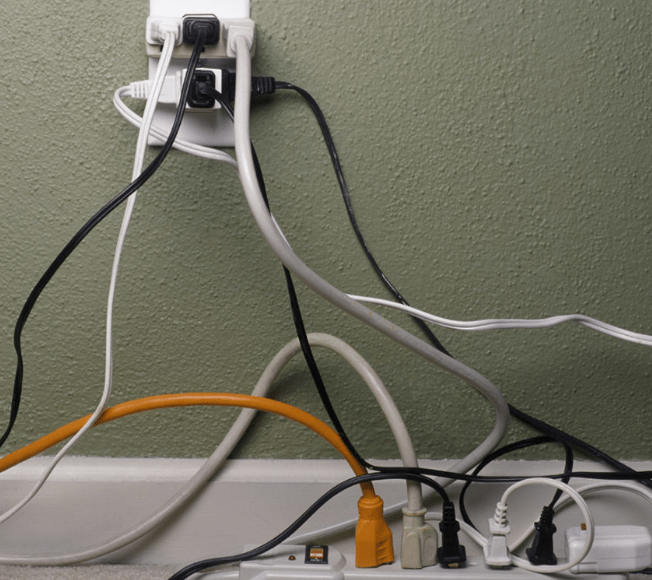
Electrical work often needs more than adding outlets. A finished living area may require outlet spacing, dedicated circuits, arc-fault protection, lighting controls, and safe panel capacity. Old garage wiring may not be ready for office equipment, heaters, or daily use.
Heating and cooling can also trigger permit review. A space heater in the corner is not the same as approved permanent heat. Many homeowners choose a ductless mini-split because it avoids extending old ductwork, but even that choice may require electrical and mechanical permits.
Exits matter even more if the room becomes a bedroom. Emergency escape openings, door access, smoke alarms, and carbon monoxide alarms can become deal-breakers. A room can be beautiful and still unsafe if a sleeping person cannot get out during a fire.
Fire separation deserves respect. Attached garages often share walls or ceilings with the house under special safety rules. Once the garage changes use, the wall assemblies, doors, and ceiling conditions may need review. Paint and trim cannot fix a weak safety plan.
Cost, Timeline, and Smart Planning Choices for Homeowners
Money planning works best when you treat approval, construction, and inspection as one project instead of three separate headaches. The cheapest bid is not always the cheapest outcome. A low price that ignores permits can turn into the most expensive path after corrections.
Budgeting beyond drywall and flooring
Homeowners often price the visible parts first: flooring, paint, cabinets, lights, and furniture. Those items matter, but they may not drive the budget. The hidden costs often come from design drawings, permit fees, structural changes, insulation, electrical upgrades, HVAC, windows, and slab work.
A simple home office may cost far less than a bedroom suite with plumbing. Adding a bathroom changes the project because drains, vents, water supply, waterproofing, and fixture clearances enter the picture. Once plumbing joins the plan, the garage stops being a simple finish-out.
There may also be soft costs. Some cities charge plan review fees. Some projects need energy forms. Some neighborhoods require HOA approval before the city permit even begins. Skipping those costs during planning makes the budget look cleaner than it is.
A useful budget method is to separate the project into three buckets: approval costs, hidden construction costs, and finish costs. The finish bucket is the fun one. The hidden bucket is the one that protects the project from regret.
Choosing the right permit strategy for your goal
The best permit strategy depends on the final use. A family room, bedroom, rental unit, and accessory dwelling unit may look similar during construction, but they can face different rules. A rental space often brings stricter review because independent living may require cooking, sanitation, parking, address, and utility questions.
A homeowner in Los Angeles who wants extra family space may follow one path. A homeowner who wants a legal ADU may follow another. Both may start in the same garage, yet the final approvals can differ by a wide margin.
Professionals help most when the project has risk. An architect, designer, contractor, or permit consultant can spot problems early, especially on older homes. That does not mean every small project needs a large team. It means the team should match the risk, not the fantasy budget.
Good planning also leaves room for inspection corrections. Even strong projects can need small changes after rough inspection. That is normal. What hurts is pretending inspections are an obstacle instead of part of the work.
A garage conversion is not only a way to gain space. It is a test of whether the home can absorb a new purpose without creating safety, comfort, or legal problems. The homeowners who win are not always the ones with the biggest budgets. They are the ones who ask the right questions before the framing starts. Start with your city, confirm the rules in writing, build from approved plans, and keep every record. That is how extra space becomes real value instead of a future argument.
Frequently Asked Questions
Do I need a permit to convert my garage into a room?
Most U.S. cities require a permit because the space changes from storage or parking to habitable use. Electrical, insulation, heating, windows, and safety rules often apply. Contact your local building department before work begins because rules can vary by city and county.
Can I convert my garage without removing the garage door?
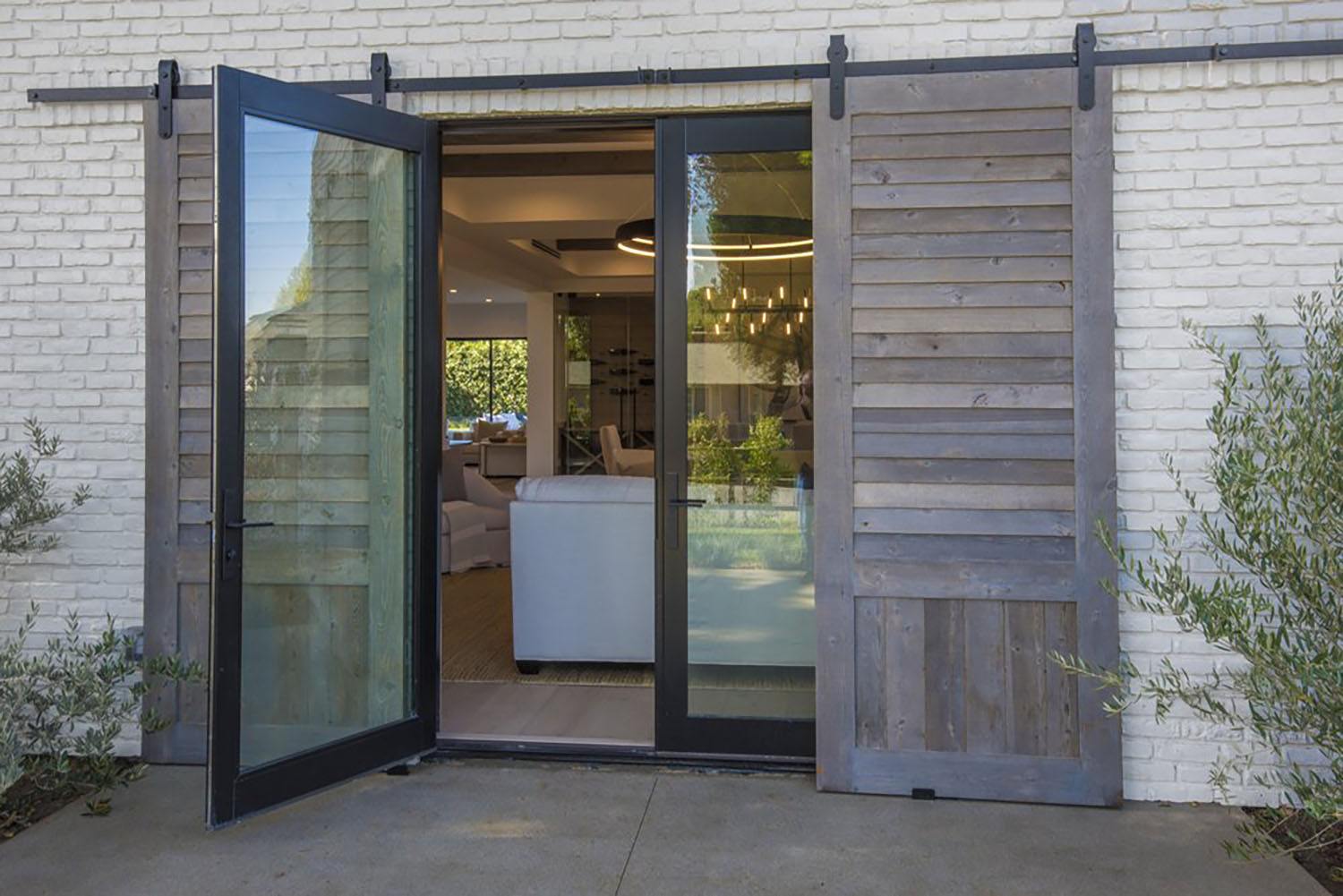
Some cities allow the garage door to stay if the space remains non-habitable, but living space usually needs a code-approved wall, weather protection, insulation, and safe exits. Keeping the door may also affect energy performance and resale value.
Does a converted garage count as square footage?
It may count only if it is legally permitted, finished to living-space standards, heated or cooled as required, and accepted by local rules. Appraisers and buyers often separate permitted living area from unpermitted bonus space.
How long does a garage conversion permit take?
Permit timing depends on the city, plan quality, project scope, and review backlog. A simple interior conversion may move faster than a project with plumbing, structural changes, or ADU use. Clean drawings and complete forms usually reduce delays.
Can a garage conversion become a legal bedroom?
A converted space can become a bedroom if it meets local rules for ceiling height, emergency escape, ventilation, heating, smoke alarms, and electrical safety. The city may also review parking and zoning before approving the bedroom use.
What inspections are needed for a garage conversion?
Common inspections include framing, electrical, mechanical, insulation, drywall, and final inspection. Projects with plumbing or structural changes may need extra visits. The inspector checks work at key stages before it gets covered.
Will converting my garage hurt home value?
It can help value when the added living space is legal, comfortable, and useful. It can hurt value if buyers need garage parking or if the work lacks permits. Local market habits matter because some neighborhoods strongly value covered parking.
Can I turn my garage into a rental unit?
Many cities allow garage rental conversions only when the project meets ADU or local housing rules. That may involve kitchen, bathroom, fire safety, parking, utility, and entrance requirements. Always confirm zoning before designing the rental layout.