Electrical fires are one of the most dangerous risks in any home, yet many of them are preventable. They often start quietly—behind walls, inside outlets, or within overloaded circuits—long before any visible damage appears. By the time smoke or burning smells are noticeable, the problem may already be serious.
The good news is that most electrical fires can be avoided with proper awareness, routine maintenance, and safe usage habits. Understanding the causes and warning signs is the first step toward keeping your home and family safe.
Avoid Overloading Electrical Circuits
One of the most common causes of electrical fires is overloaded circuits. This happens when too many devices are connected to a single outlet or circuit, drawing more electricity than it is designed to handle.
Extension cords, power strips, and multi-plug adapters often contribute to this issue. While they are convenient, using them excessively—especially for high-power appliances like heaters, microwaves, or air conditioners—can lead to overheating.
When circuits are overloaded, wires can become hot and insulation may break down, increasing fire risk over time.
Replace Damaged or Frayed Wiring
Worn-out or damaged wiring is a serious hazard that should never be ignored. Over time, electrical wires can degrade due to age, pests, heat, or physical wear.
If you notice frayed cords, exposed wiring, or cracked insulation, the affected wiring should be replaced immediately. Damaged wires can spark or overheat when electricity flows through them, creating a direct fire risk.
Regular inspections help identify hidden wiring issues before they escalate into emergencies.
Be Cautious with Extension Cords
Extension cords are designed for temporary use, not permanent wiring solutions. Many homeowners unknowingly rely on them for long-term setups, which can increase fire risks significantly.
Running extension cords under carpets, furniture, or doors can trap heat and damage insulation. Similarly, connecting multiple extension cords together can overload the system.
Whenever possible, it’s safer to install additional outlets rather than depend on cords for everyday power needs.
Keep Electrical Panels in Good Condition
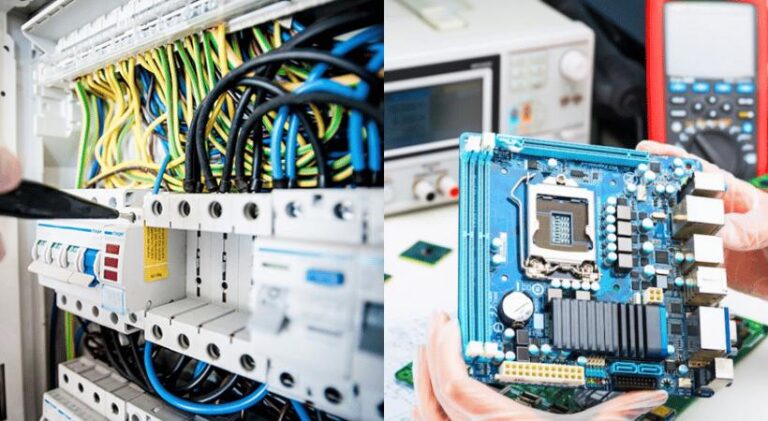
Your electrical panel is responsible for distributing power throughout your home. If it becomes outdated or damaged, it can increase the risk of electrical fires.
Signs of panel issues include frequent breaker trips, buzzing sounds, or scorch marks near the box. These symptoms indicate that the system may be struggling to handle electrical loads safely.
A properly maintained panel ensures balanced electricity distribution and reduces overheating risks.
Install and Maintain Smoke Detectors
Smoke detectors are one of the most effective safety tools for preventing fire-related injuries and damage. They provide early warnings, allowing residents to act quickly before a fire spreads.
Every home should have smoke detectors installed in key areas such as bedrooms, hallways, and kitchens. It’s also important to test them regularly and replace batteries as needed.
While smoke detectors do not prevent fires, they play a critical role in reducing harm and saving lives.
Avoid DIY Electrical Work
Attempting electrical repairs without proper training is one of the most common causes of preventable electrical fires. Incorrect wiring, loose connections, or improper installations can create hidden dangers inside walls.
Even small mistakes can lead to overheating or arcing, which significantly increases fire risk over time.
For safe and reliable work, homeowners should always rely on a licensed professional rather than attempting complex electrical repairs themselves.
Watch for Warning Signs
Electrical systems often show warning signs before a fire occurs. These include flickering lights, burning smells, warm outlets, or frequently tripped breakers.
Buzzing sounds from walls or switches can also indicate loose connections or faulty wiring. These signs should never be ignored, as they often point to underlying problems that need immediate attention.
Addressing issues early is one of the most effective ways to prevent electrical fires.
Maintain Proper Appliance Usage
Faulty or aging appliances can also contribute to electrical fires. Devices with damaged cords, loose plugs, or internal malfunctions can overheat when used.
Appliances should always be plugged directly into proper outlets rather than overloaded power strips. If an appliance frequently trips breakers or emits unusual heat or smells, it should be inspected or replaced.
Routine maintenance of household devices plays a key role in electrical safety.
Ensure Proper Grounding
Grounding is an essential safety feature that helps redirect excess electricity safely into the ground. Without proper grounding, electrical surges or faults can lead to overheating and potential fires.
Older homes are more likely to have ungrounded outlets, which increases risk. Upgrading grounding systems improves protection against electrical faults and enhances overall system safety.
Outdoor Electrical Safety Matters
Outdoor wiring and outlets are exposed to weather conditions, moisture, and temperature changes. Without proper protection, these systems can become fire hazards.
Using weatherproof outlets and covers is essential for outdoor safety. Extension cords should not be left outside permanently, especially in wet or damp conditions.
Proper installation of outdoor systems reduces exposure to environmental damage.
Professional Inspections Make a Difference
Regular electrical inspections are one of the most effective ways to prevent fires. A licensed electrician can identify hidden wiring problems, overloaded circuits, and outdated systems before they become dangerous.
Homeowners often rely on a trusted residential electrician when they need expert evaluation of their home’s electrical system and safety risks.
Professional inspections help ensure that everything is functioning correctly and safely.
Upgrading Older Electrical Systems
Older homes often have wiring and panels that were not designed for modern electrical demands. These systems may struggle under the pressure of today’s appliances and technology.
Upgrading outdated wiring, installing modern breaker panels, and adding dedicated circuits can significantly reduce fire risks. While upgrades require investment, they provide long-term safety and reliability.
For homeowners looking to modernize their systems, professional residential electrician services can help ensure safe and efficient electrical performance.
Preventing electrical fires requires awareness, maintenance, and responsible usage of your home’s electrical system. Most hazards develop gradually, often starting with small warning signs like flickering lights or warm outlets.
By avoiding overloaded circuits, replacing damaged wiring, using appliances safely, and scheduling regular inspections, homeowners can significantly reduce fire risks.
A safe electrical system is not just about convenience—it is about protecting your home, your belongings, and most importantly, your life.