

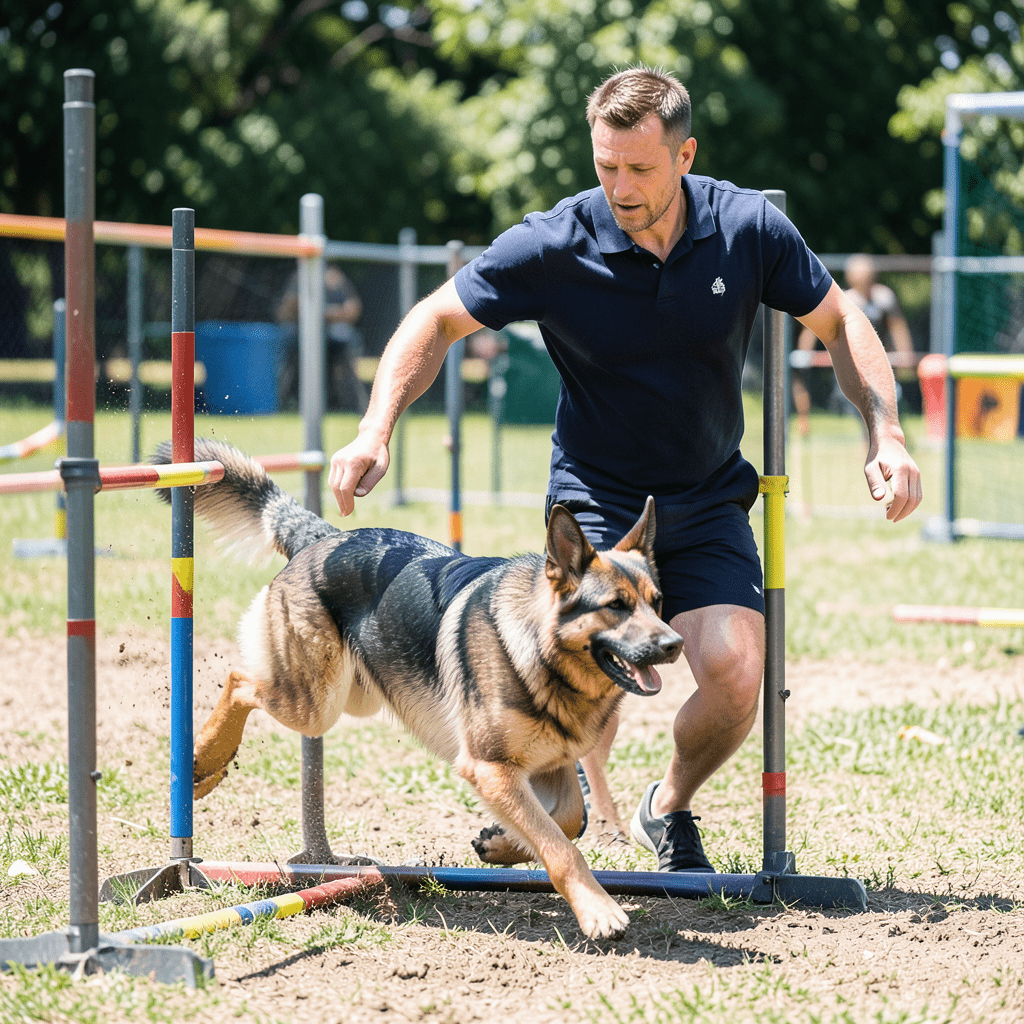
Sheepadoodle training has become increasingly important for dog owners who want a well-behaved, calm, and socially confident companion. As a cross between the Old English Sheepdog and the Poodle, this hybrid breed is intelligent, energetic, and emotionally responsive. Without proper structure, these traits can quickly turn into behavioral challenges such as excessive barking, stubbornness, or leash pulling. Rob’s Dog Training specializes in modern, science-based Sheepadoodle training programs designed to shape reliable obedience and long-term good behavior using positive reinforcement and clear communication techniques.
Sheepadoodle training is not just about teaching commands it is about building habits, improving communication, and developing emotional stability in a highly intelligent breed that thrives on structure and engagement. Understanding how this breed learns is the foundation of successful results.
Understanding Sheepadoodle Temperament and Learning Behavior
Successful Sheepadoodle training starts with understanding the natural temperament of the breed. Sheepadoodles are known for being affectionate, social, and highly intelligent, but they also require mental stimulation and leadership to stay balanced.
Key behavioral characteristics include:
- High intelligence and fast learning ability
- Strong emotional sensitivity toward tone and environment
- Natural herding instincts that may lead to chasing or nipping
- Deep attachment to family members and social groups
- Moderate to high energy requiring daily structured activity
Because Sheepadoodles are quick learners, they can also develop bad habits just as fast if boundaries are not clearly established. This makes early and consistent training essential for long-term success.
Why Early Sheepadoodle Training Is Critical
Early Sheepadoodle training lays the foundation for lifelong behavior. The most important developmental stage occurs between 8 and 16 weeks of age, when puppies are highly receptive to learning and environmental exposure.
During this stage, training should focus on:
- Socialization with people, children, and other animals
- Exposure to different sounds, textures, and environments
- Basic obedience commands such as sit, stay, and come
- Crate introduction and housebreaking routines
- Establishing boundaries and household rules
When training begins early, it becomes easier to prevent common behavioral issues later in life. Without early structure, Sheepadoodles may develop anxiety, fear-based reactions, or inconsistent obedience patterns.
Core Principles of Effective Sheepadoodle Training
Modern Sheepadoodle training is built on evidence-based learning principles that prioritize communication clarity, emotional safety, and consistency. The goal is to guide behavior rather than suppress it.
Positive Reinforcement System
Reward-based training remains the most effective method for Sheepadoodles. Desired behaviors are reinforced through treats, praise, or play, encouraging repetition of good actions.
This method works especially well because Sheepadoodles are highly motivated by social approval and engagement.
Marker-Based Communication
Marker training, such as clicker training or verbal markers like “yes,” helps identify the exact moment a behavior is correct. This reduces confusion and speeds up learning.
Consistency Across Environments
One of the most important factors in Sheepadoodle training is consistency. Commands must remain the same across all situations and by all handlers. Inconsistent signals can lead to confusion and delayed progress.
Structured Daily Routine
Dogs thrive in predictable environments. A structured daily schedule helps manage energy levels, reduce anxiety, and support better decision-making.
Essential Commands in Sheepadoodle Training
A successful training program focuses on essential obedience skills that ensure safety, control, and adaptability in everyday situations.
Foundational Commands
- Sit
- Stay
- Come
- Down
- Leave it
- Drop it
These commands form the basis of communication between handler and dog and are critical for safety and household management.
Intermediate Skills
- Loose leash walking
- Controlled greetings with people
- Waiting at doors and thresholds
- Place command for calm behavior
Advanced Obedience Training
- Reliable off-leash recall
- Distraction-proof command response
- Impulse control around food, dogs, and people
- Extended duration commands in public environments
Mastering these skills ensures the Sheepadoodle can safely and confidently navigate real-world situations.
Common Behavioral Challenges in Sheepadoodles
Even well-bred Sheepadoodles may develop behavioral issues without structured training. Understanding these challenges allows for early correction and prevention.
Excessive Barking
Excessive barking is often linked to boredom, anxiety, or overstimulation. It can be corrected through mental enrichment, structured exercise, and impulse control exercises.
Leash Pulling
Leash pulling occurs when dogs are not taught proper walking structure. Training involves reward-based leash manners and controlled directional changes.
Separation Anxiety
Sheepadoodles form strong attachments and may struggle with alone time. Gradual crate training and independence exercises help reduce anxiety.
Jumping on People
Jumping is typically an excitement behavior. Teaching alternative greetings such as sitting for attention helps redirect energy into calm behavior.
Socialization Strategies for Balanced Behavior
Socialization is a critical component of Sheepadoodle training. It ensures the dog grows into a confident and adaptable companion in different environments.
Effective socialization includes exposure to:
- Busy streets and urban environments
- Parks and open spaces
- Calm, well-behaved dogs
- Friendly strangers and children
- Household sounds such as vacuums or appliances
The goal is not overwhelming exposure but controlled, positive experiences that build confidence over time. Proper socialization reduces fear-based aggression and anxiety later in life.
Crate Training for Structure and Security
Crate training is an essential part of Sheepadoodle training when done correctly. It provides structure, safety, and a personal space for rest and recovery.
Benefits of crate training include:
- Faster housebreaking and toilet training
- Prevention of destructive chewing behaviors
- Development of independence and calmness
- Safe transportation and travel management
The crate should always be associated with positive experiences such as treats, toys, and rest time. Negative associations should be avoided entirely to ensure long-term acceptance.
Mental and Physical Stimulation Requirements
Sheepadoodles require both mental and physical stimulation to remain balanced. Without adequate engagement, behavioral issues often develop.
Recommended activities include:
- Daily structured walks
- Interactive puzzle toys
- Scent-based games and tracking exercises
- Short obedience training sessions
- Controlled play with other dogs
Mental stimulation is just as important as physical exercise, especially for intelligent breeds like Sheepadoodles.
Professional Training vs Independent Training
While some owners choose to train independently, professional Sheepadoodle training programs often deliver faster and more reliable results due to structured methodology and expert guidance.
Advantages of professional training include:
- Customized behavior correction plans
- Faster resolution of problem behaviors
- Expert handling of complex issues
- Structured accountability and progress tracking
- Real-world training scenarios and distractions
Professional programs, such as those provided by Rob’s Dog Training, ensure that both dog and owner receive the proper tools for long-term success.
Long-Term Success in Sheepadoodle Training
Training does not end after basic obedience is achieved. Long-term success requires continuous reinforcement and engagement.
Best practices include:
- Short daily reinforcement sessions
- Regular exposure to new environments
- Ongoing obedience refreshers
- Continued social interaction with dogs and people
- Mental enrichment activities throughout adulthood
Consistency over time ensures that learned behaviors remain stable and reliable.
Building a Well-Behaved Lifelong Companion
Effective Sheepadoodle training is a long-term investment in behavior, communication, and companionship. This breed thrives when provided with structure, consistency, and positive reinforcement-based learning. Without these elements, their intelligence and energy can lead to frustration for both dog and owner.
Through early socialization, structured obedience training, and ongoing reinforcement, Sheepadoodles develop into balanced, confident, and highly trainable companions. Rob’s Dog Training offers expert-guided programs designed to support this journey from puppyhood through advanced obedience, ensuring lasting results and a stronger bond between dog and owner.