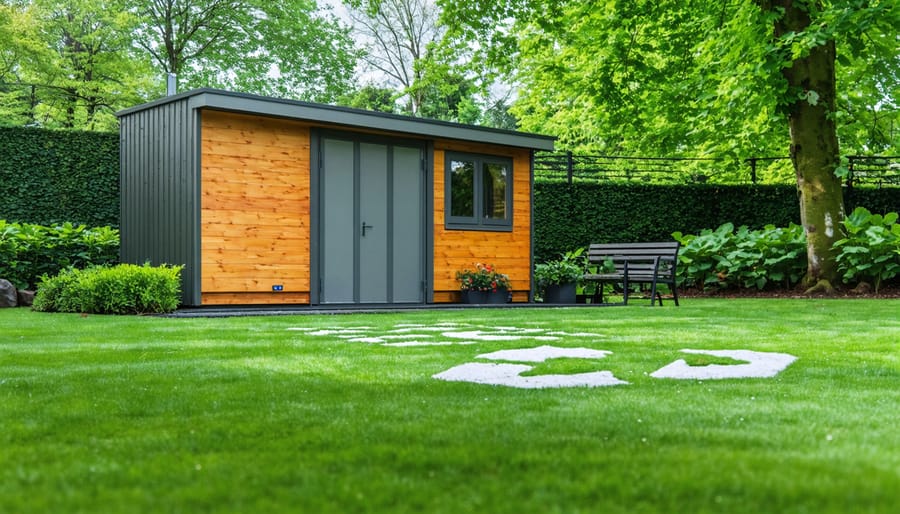
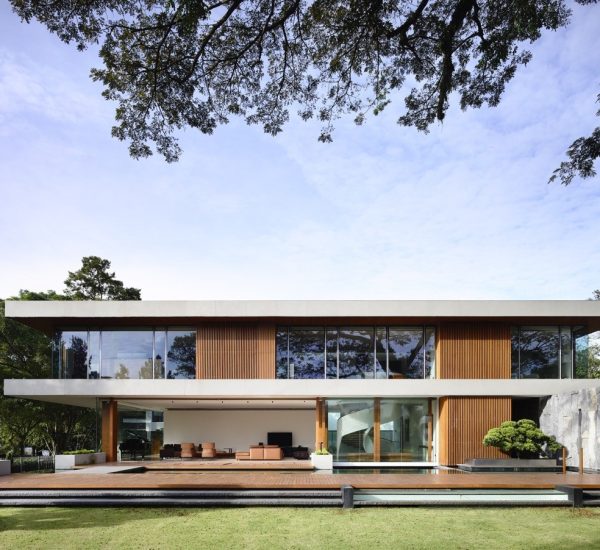
A tired home does not always need a wrecking ball. Most of the time, it needs nerve, restraint, and a sharper eye than the one that created the mess in the first place. The smartest dwelling makeover ideas are not about chasing luxury; they are about making ordinary rooms feel awake again, useful again, and unmistakably yours.
You know the feeling when a room technically works but still drains you. The sofa is fine, the walls are painted, the lights turn on, and yet the place feels flat. That dullness usually comes from small choices made on autopilot: safe colors, awkward furniture spacing, lazy storage, and décor that says nothing. Fresh home style starts when you stop decorating by default and start editing with intent.
I learned this the hard way in a cramped living room that looked decent in photos and dead in real life. The fix was not expensive. It was honest. I changed the light, cut the clutter, moved the rug, and gave every visible object a job. Suddenly the room had pulse. That is the point of a makeover: not to impress strangers, but to make daily life feel better. If you want ideas that last longer than a weekend mood, you need changes that respect how you actually live.
Start With What Feels Off, Not What Looks Trendy
Most makeovers fail before they begin because people solve the wrong problem. They buy a new chair when the room really needs better flow, or they repaint when the actual issue is visual noise. The better move is to walk through your home and notice what irritates you at normal speed. That tiny hesitation at the entry table, the lamp you never switch on, the corner that gathers random junk like a magnet. Your house tells on itself if you listen.
Read the Room Before You Buy a Single Thing
The first real step is diagnosis, and yes, it is less glamorous than browsing for décor. Still, it saves you from wasting money on pretty mistakes. Stand in each room for five minutes at the time you use it most. Morning kitchen, evening living room, half-awake bathroom, workday desk. Pay attention to friction.
Bad layout has a sneaky way of masquerading as bad taste. A room can have lovely furniture and still feel wrong because movement gets blocked, sightlines are messy, or one oversized piece throws the entire balance off. I once saw a beautiful dining space ruined by chairs so bulky nobody wanted to sit there long. Nice furniture. Terrible fit.
Write down what bugs you in plain language. “The lamp is too dim.” “There is nowhere to drop keys.” “The room feels cold after sunset.” “This shelf looks crowded.” That list becomes your plan, and a plan beats impulse every time. You will find more lasting inspiration through thoughtful design reading on PR Network’s home style coverage than through another frantic cart full of random accent pieces.
Edit First, Decorate Second
Clutter is not only about quantity. It is also about confusion. When a room contains too many shapes, colors, textures, or half-useful items, your brain works harder than it should. You feel it before you name it. That drag matters.
Start by removing ten things from every room. Not forever, just long enough to judge the space honestly. Take out the extra basket, the tired throw pillows, the side table doing nothing, the pile of magazines you keep pretending to read. What stays should earn its place through use, beauty, or both.
This is where fresh home style begins to show its teeth. A cleaner room reveals its bones, and good bones are easier to work with than crowded surfaces. You may discover you do not need more décor at all. You need fewer distractions and one stronger focal point. That stings a little. It is still true.
Build a Stronger Visual Backbone With Color and Materials
Once you know what feels wrong, the next move is to create consistency. A home feels fresh when the visual language makes sense from room to room. That does not mean every space must match. It means the choices should sound like they belong to the same person instead of five different moods arguing in the hallway.
Choose Colors That Support the Mood You Want
Color is rarely the main problem, yet it often becomes the loudest fix. People swing too hard here. They either play so safe everything turns beige and sleepy, or they try one trendy shade and hope it carries the whole room. It will not.
Pick a mood before you pick a paint chip. Calm rooms need soft contrast, not zero contrast. Lively rooms need energy with discipline, not a sugar rush of random hues. If you want a living room that settles you at night, use warm neutrals, grounded greens, muted clay, or deep blues in measured doses. If you want a kitchen with snap, bring in one cleaner color through stools, art, or tile.
I like to anchor a home with three repeat players: one main neutral, one supporting tone, and one dark note for structure. That dark note matters more than people think. Black metal, espresso wood, charcoal trim, or a deep walnut frame can rescue a room from looking washed out. Color needs a backbone or it floats away.
Mix Materials So the Home Feels Layered, Not Flat
A fresh room is rarely created by color alone. Materials do the quieter, harder work. They bring age, weight, softness, and contrast. Without them, even a nicely painted home can feel like a showroom waiting for its personality to arrive.
The trick is to mix finishes that do not cancel each other out. Smooth surfaces need something coarse nearby. If you have glossy tile, bring in linen, unfinished wood, woven baskets, or a matte ceramic lamp. If the room already leans rustic, add one cleaner element such as glass, polished metal, or a tailored fabric to stop it from getting heavy.
One family I know turned their bland rental into something memorable without changing the walls at all. They swapped shiny store-bought accessories for oak frames, a jute runner, cotton drapes, and one stone-look lamp on a thrifted sideboard. The space stopped feeling temporary. That is the real win. Good material contrast gives a room dignity, even when the budget is modest.
Make Small Rooms Work Harder Without Looking Busy
Nothing exposes bad design faster than a small room. In tight spaces, every weak decision becomes visible. The answer is not to strip the room until it feels sterile. The answer is to make each piece smarter, calmer, and more deliberate so the room works harder without shouting about it.
Use Scale and Placement to Create Breathing Room
Small rooms do not need tiny furniture across the board. That old rule causes more damage than it solves. A room full of undersized pieces often feels scattered and nervous. One properly scaled sofa can look better than two skimpy chairs floating around like lost thoughts.
Push furniture where it belongs, not where habit tells you it should go. Rugs should ground a seating zone instead of hovering like postage stamps. Beds should align with the strongest wall, not automatically face the door. Nightstands should match the mattress height closely, because tiny mismatches make a room feel less considered than it is.
You also need negative space. Leave some surfaces partly empty. Let one corner stay simple. Give the eye a place to rest. People fear emptiness and then wonder why the room feels crowded. Space is not wasted when it improves how a room breathes. It is doing its job.
Sneak Storage Into the Design Instead of Adding It Later
Storage becomes ugly when it arrives as an afterthought. That plastic drawer tower shoved into a bedroom corner is not a storage strategy. It is a surrender. Better storage hides in plain sight and supports the room’s mood while solving a daily problem.
Think benches with concealed space, coffee tables with drawers, beds with under-frame storage, or narrow entry cabinets that swallow shoes without swallowing the walkway. Even open shelving works better when you treat it like display with discipline rather than a public record of everything you own. Group items by tone, texture, or purpose so the shelf reads as one idea.
This is where many dwelling makeover ideas go wrong online. They show a perfect before-and-after photo but ignore the question that matters: where does real life go? Mail, chargers, pet gear, extra paper towels, school bags, ugly remotes. If your makeover cannot absorb those things, it will collapse within a week. Beauty that cannot survive Tuesday is not beauty. It is theater.
Finish With Lighting, Art, and the Details People Actually Remember
Once the big moves are in place, the final layer decides whether your home feels polished or merely improved. Details are not fluff. They are the emotional finish. Lighting changes mood faster than paint. Art changes identity faster than accessories. The right final touches make a room feel chosen rather than assembled.
Light the Room Like You Want People to Stay There
Ceiling lights get treated like the default answer, and they are often the worst one. Overhead lighting can flatten a room, bleach the mood, and make everything look harsher than it really is. You need layers if you want warmth, depth, and flexibility.
Use at least three light sources in main living areas: ambient light for general brightness, task light for reading or work, and softer accent light for mood. A floor lamp by a chair, a table lamp on a console, or a shaded wall light near shelving can transform the room at night. It is one of the cheapest ways to make a home feel richer.
Warm bulbs help more than people admit. So does where you place them. Light should hit surfaces and corners, not just blast down from above. In my own home, changing one cold bulb to a warmer tone made the room look less like a waiting area and more like somewhere a human might tell the truth. That is what good lighting does. It softens the room without making it sleepy.
Add Personal Detail Without Creating Visual Chaos
The last layer should sound like you, not like a store trying to win your attention. Art, books, objects from travel, handmade pieces, family photos, and even one eccentric antique can wake up a room in ways generic décor never will. The catch is restraint. Personality works best when it is edited.
Group smaller objects so they read as a composed moment instead of scattered evidence. Hang art at a sensible height. Mix newer pieces with older ones so the room gains tension and charm. If everything looks freshly ordered, the home feels slightly fake. A little history fixes that.
You should also think about what your home says from ten feet away, not just from up close. That is where fresh home style either lands or falls flat. A room needs a focal point, supporting texture, and one unexpected note. Maybe it is a striped chair in a quiet room. Maybe it is bold abstract art above a calm console. Maybe it is a vintage mirror that throws more character than a dozen trendy accessories ever could. Details matter because they finish the sentence.
Conclusion
A memorable home does not come from copying a catalog page or panic-buying a dozen decorative objects on a Sunday night. It comes from paying attention to the real shape of your life and then adjusting your rooms so they support it with more grace, more order, and more character. The best homes are rarely the most expensive ones. They are the ones that feel edited, honest, and deeply lived in.
That is why the strongest dwelling makeover ideas start with friction, move through color and material with purpose, and end in details that make people exhale the second they walk in. You do not need a mansion, a full renovation, or a design degree. You need a clearer point of view and the nerve to stop making safe choices that leave your home forgettable.
So take one room this week and treat it like it matters, because it does. Fix the light. Remove what drains the space. Add one element with soul. Then build from there. For more inspiration, read related pieces like fireplace styling ideas and modern home comfort tips. Your next step is simple: stop waiting for the perfect budget and start creating the fresh home style you actually want to live in.
FAQ 1: What are the easiest dwelling makeover ideas for beginners?
Start with lighting, layout, and clutter control. Those three changes cost less than most furniture mistakes and shift a room fast. Move pieces before buying new ones, edit surfaces hard, and swap one harsh bulb for a warmer lamp setup tonight.
FAQ 2: How can I refresh my home style without spending much money?
You can repaint one wall, rearrange furniture, remove half your small décor, and add texture through thrifted textiles or secondhand wood pieces. Cheap upgrades look expensive when they create contrast, better flow, and a clear focal point instead of clutter.
FAQ 3: Which room should I makeover first in a home?
Start with the room that frustrates you most often, not the one guests see first. Daily annoyance is the best guide. A calmer bedroom, smoother entryway, or brighter kitchen improves real life faster than styling a formal room nobody uses.
FAQ 4: How do I make a small room look fresh and bigger?
Use one proper rug, lighter wall tones, fewer furniture pieces, and smarter storage that disappears into the design. Leave some surfaces open. Small rooms feel bigger when your eye can travel easily and nothing bulky blocks movement or light.
FAQ 5: What colors work best for fresh home style?
Warm neutrals, muted greens, dusty blues, soft clay tones, and one darker grounding shade work beautifully in most homes. The real secret is balance. A calm base with measured contrast beats a trendy color splash that overwhelms the room.
FAQ 6: How often should you update your home décor style?
You do not need a full reset every year. Refresh details seasonally, reassess layout twice a year, and make bigger style changes only when the space stops serving your daily life. Good homes evolve in layers rather than dramatic, costly overhauls.
FAQ 7: Can renters use dwelling makeover ideas without major renovations?
Renters can make huge changes through lighting, rugs, art, peel-and-stick finishes, curtains, furniture placement, and removable storage solutions. You may not own the walls, but you still control mood, texture, flow, and how welcoming the home feels.
FAQ 8: What is the biggest mistake people make during a home makeover?
Most people shop too early. They buy décor before solving layout, lighting, or clutter, then wonder why the room still feels wrong. A makeover works when you diagnose first, edit second, and only then bring in pieces that support the plan.