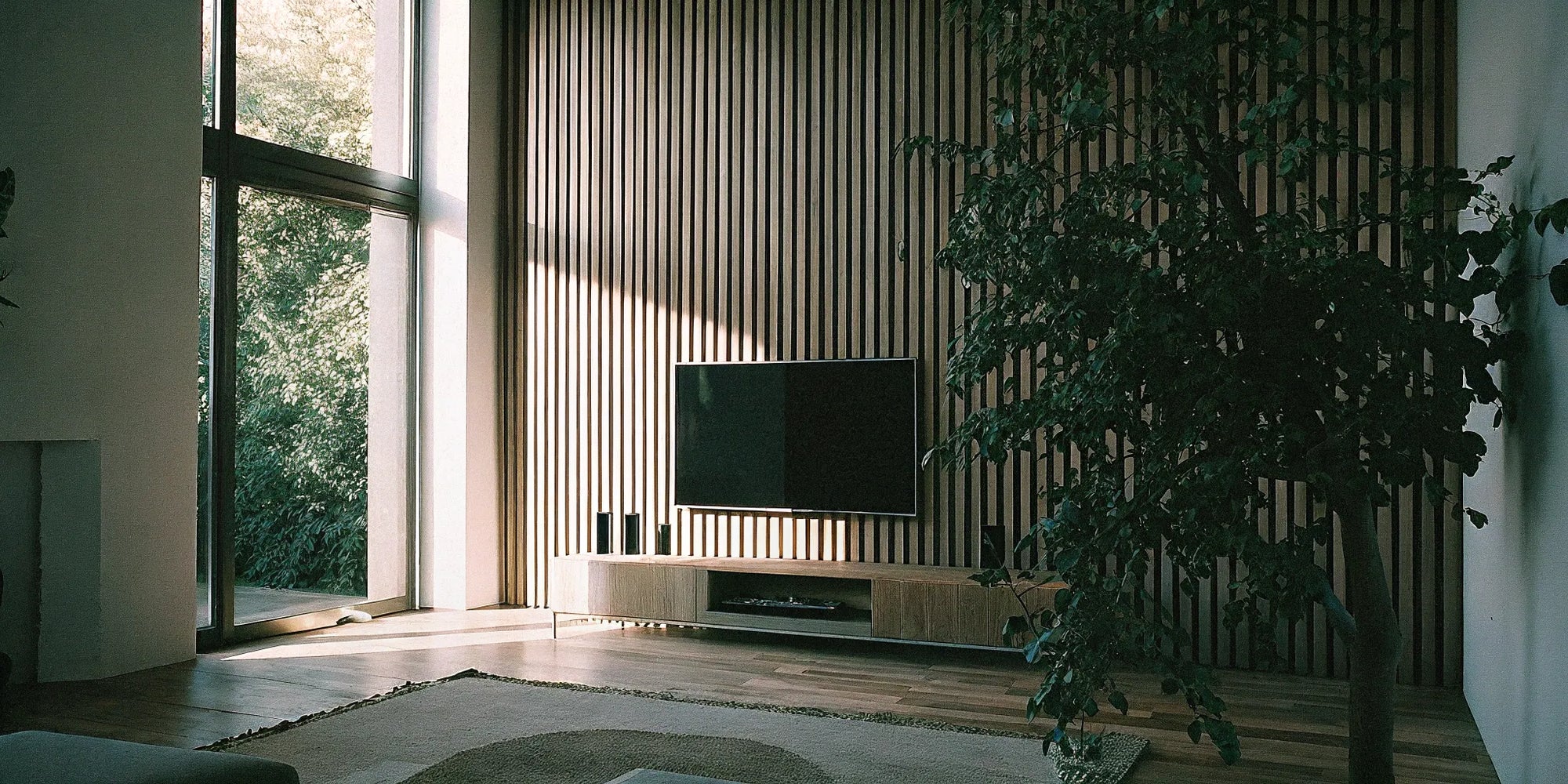

Home rarely fails because of size. It fails because rooms ask too much from you and give too little back. You feel it when the sofa blocks the path, the kitchen turns noisy by noon, or the bedroom looks finished yet never feels calm. A good dwelling guide does not chase showroom perfection. It helps you build a place that supports your habits, softens your stress, and lets daily life run with less friction. That matters more than trendy furniture ever will.
The truth is simple: the most welcoming homes are not the most expensive ones. They are the ones that make ordinary moments easier. A late cup of tea feels better when the lighting lands right. A rushed school morning feels less chaotic when storage actually matches your routine. That is the heartbeat of cozy home living—not cluttered charm, but comfort with intention. If you want smart ideas you can keep using for years, start with lived reality, borrow a few grounded ideas from this home inspiration library, and build from the life you already lead.
Start With the Way You Actually Live
Most homes look worse when people decorate first and think later. You do not need another pretty object when the real issue is a bad traffic path, a dead corner, or a room trying to serve three jobs at once. Before you buy anything, watch your household for a week. Notice where shoes land, where bags pile up, where everyone sits, and where nobody wants to linger. That quiet audit changes everything. It turns decorating from guesswork into problem-solving, and it gives every later choice a reason to exist.
Map the Daily Friction Before You Buy a Single Thing
Daily frustration leaves clues all over your rooms. The chair draped with laundry is not laziness. It is a message that your storage sits too far from where clothes come off. The kitchen stool stacked with mail says your entry area is not doing its job. When you see your house as a chain of habits instead of a collection of rooms, you stop blaming yourself and start fixing the real design problem.
I learned this the hard way in a small rental where the living room looked decent in photos but felt annoying every evening. We had a side table in the wrong spot, a lamp that lit the wall instead of the reader, and a rug that left one chair floating like it had missed rehearsal. Nothing was terrible on its own. Together, the room felt off. One weekend of moving things around solved more than months of browsing furniture sites.
Write down five repeat annoyances before you spend a rupee or a dollar. Keep the list plain. No romance. “No place for keys.” “Dark corner near the sofa.” “Dining chairs scrape the wall.” Those blunt notes turn into better choices later. That is where a real dwelling guide earns its keep, because it starts with truth, not fantasy.
Let Every Room Earn Its Space
A room should never survive on title alone. Calling something a guest room does not give it value if guests visit twice a year and the rest of the time it gathers dust and regret. You want each area to pull its weight. A dining nook can also become homework central. A landing can hold a reading chair and a lamp. A bedroom wall can work as a compact dressing zone if you stop pretending you need empty space more than usable space.
The best homes keep one main purpose and one supporting purpose in each room. More than that, and things get messy fast. A living room can host conversation and quiet reading. A kitchen can handle cooking and quick family check-ins. Once you name the second job clearly, furniture choices sharpen up. You stop buying random pieces and start choosing helpers.
This approach matters even more in flats, townhouses, and older homes with awkward layouts. Square footage is overrated. Honest function wins. A modest room with clear jobs feels richer than a large one full of confusion. When you design around use, you stop fighting the house. It starts working with you.
Build Comfort Through Light, Sound, and Air
People often blame furniture for discomfort that actually comes from the room itself. Bad light can make a beautiful space feel lifeless by four in the afternoon. Harsh sound can turn family dinner into a low-grade headache. Stale air can make a clean room feel oddly tired. Comfort begins with atmosphere, and atmosphere begins long before you choose a vase or cushion. Get the room itself right, and everything else looks better without trying so hard.
Layer Light Like You Mean It
One bright ceiling fixture is the fastest way to flatten a room. It lights everything and flatters nothing. Homes feel warmer when light arrives in layers: a broad source for general use, a task light where hands and eyes need help, and a softer pool of light that signals rest. This is not design snobbery. It is common sense with a lamp budget.
Think about how your day moves through the house. Morning light in the kitchen should help you wake up and see what you are doing. Evening light in the living room should ease the room down instead of jolting it awake. A bedside lamp should light your book, not your entire face like an interrogation scene. Small shifts make a huge difference. Lower bulbs, warmer tones, and better placement often beat expensive fixtures.
One of the easiest wins in cozy home living comes from refusing to treat all hours the same. Midday needs clarity. Night needs softness. That is why layered light feels human. It respects mood, energy, and routine. For sharper ideas on choosing fixtures and balancing ambience, even a quick sweep through this decor planning resource can spark better decisions than another impulse purchase.
Quiet Matters More Than Most People Admit
A noisy home wears you down in sneaky ways. You may not notice it at first, yet you feel irritable, tired, and oddly restless. Sound bounces harder in rooms filled with hard floors, blank walls, bare windows, and thin surfaces. Then the television climbs louder, conversations get sharper, and the whole place starts humming with tension. Comfort slips away without ever announcing its exit.
Soft materials do real work here. Rugs lower the slap of footsteps. Curtains calm the edge in a bright, echoing room. Upholstered seating, fabric shades, and even a well-filled bookshelf break up sound better than most people expect. This does not mean you must bury your home in heavy textiles. It means every room needs a few surfaces that soften what would otherwise ricochet around.
Air belongs in this conversation too. A room can look neat and still feel dead when it traps heat, cooking smells, or dust. Open windows when weather allows. Clean vents. Use an exhaust fan that actually works. Follow practical indoor air advice from trusted sources such as EPA guidance on healthy indoor environments. Fresh air is not a luxury detail. It changes how your whole home feels in your body.
Choose Furniture That Solves Problems, Not Just Fills Space
Furniture shopping goes wrong when people chase a look before they respect scale, movement, and storage. The result is a room packed with pieces that seem nice individually and exhausting together. Good furniture does not announce itself all day. It supports the room, helps you move easily, and handles the mess that ordinary living creates. If a piece cannot do one of those jobs, it had better be truly special. Most are not.
Size Is Not a Detail, It Is the Whole Story
A large sofa in a small room is not cozy. It is a traffic hazard with cushions. The same goes for an undersized rug, a coffee table that bruises your shins, or dining chairs too wide for the space they occupy. Proportion decides whether a room feels calm or cramped. You ignore it at your own peril.
Start from clearance, not desire. You need room to walk, pull out a chair, open a drawer, and live without twisting sideways like a stage actor in a narrow set. Measure first, then mark the footprint with tape on the floor. This plain trick saves people from expensive mistakes every single day. It also reveals where a room needs less furniture, not better furniture.
I have seen tiny lounges rescued by removing one table and swapping a bulky armchair for a slimmer seat with a proper lamp beside it. The room did not lose function. It gained breathing room. That is the piece many people miss. Spaciousness is not about owning less for moral points. It is about allowing your home to move at the same pace you do.
Storage Should Sit Where the Mess Happens
Storage fails when it asks you to walk too far or think too hard. The basket belongs where blankets get used, not hidden in a distant cupboard. Hooks belong where bags land. Pantry containers should help you cook faster, not create a pretty shelf that collapses the moment real groceries arrive. The best storage feels almost invisible because it sits exactly where life produces clutter.
This is where a lot of homes turn performative. Open shelving looks charming until every mug, cereal box, and spice jar starts auditioning for attention. Closed storage is not boring. It is merciful. Use open shelves for a few objects you truly enjoy and keep the rest tucked away. Peace often comes from not seeing every item you own every minute of the day.
A smart dwelling guide treats storage as a behavior tool. It asks what you reach for daily, what you need weekly, and what can live elsewhere. Then it puts each category where your body expects it to be. That logic beats stylish bins with cute labels every time. Beauty can follow. Order has to go first.
Make Warmth Personal Instead of Trend-Driven
Homes turn generic when every room follows the same script from a mood board. Cream sofa, boucle chair, pale oak table, arch mirror, dried stems, done. There is nothing wrong with any of those pieces, yet a room built only from trends often feels borrowed. Real warmth comes from choices with memory, use, and character. You want a home that sounds like your voice, not a room trying out someone else’s accent.
Mix Memory, Texture, and Restraint
A comforting room usually contains tension in the right places. Smooth against rough. Old against new. Quiet colors against one richer note. That balance stops a home from feeling flat. A handmade bowl on a clean shelf says more than a dozen decorative trinkets. A worn wooden stool beside a tailored sofa adds a note of honesty. Texture is not filler. It carries emotional weight.
The mistake comes when people pile on “cozy” signals until the room starts panting. Too many throws, too many candles, too many small decor pieces, too much beige trying to prove a point. Warmth needs editing. A room should feel held together, not padded into submission. Leave some surfaces clear. Let one strong object carry the story instead of asking twenty weak ones to do it badly.
Think of the homes you remember fondly. They probably were not perfect. They had a chair everyone fought over, a table with a scratch and a history, a window seat that made rainy afternoons better. That is the texture of belonging. It cannot be faked, and it certainly cannot be bought in one afternoon.
Keep the Home Growing With You
The best houses never feel frozen. They shift as people do. A nursery becomes a study corner. A formal dining area softens into a family workspace. A hallway gains better lighting when someone in the home starts squinting more at night. These changes are not signs that the original design failed. They prove the home is alive and paying attention.
This matters because many people cling to old layouts out of guilt. They spent money on a certain arrangement, so they keep it even when life has moved on. That is backwards. Your home should answer the present version of you. Not the newly married version. Not the pre-children version. Not the version with endless free evenings and spotless floors. The current one.
That is the quiet power of cozy home living. It leaves room for change without losing its center. Keep asking what your spaces need now, not what looked good three years ago. Then act on the answer. Shift the chair. Drop the extra cabinet. Add the lamp. Move the desk near the window. Homes improve through honest adjustments, not heroic overhauls.
Finish With Habits That Protect the Feeling
A beautiful room can lose its magic in a week if your habits work against it. Design gets the praise, yet routine keeps the house from sliding back into friction. The trick is not constant tidying or strict rules. It is creating a few repeat actions that defend the comfort you built. This is where homes stop being visually nice and start becoming steady, reliable places to live.
Reset Small Zones Before They Become Big Problems
The easiest homes to maintain rely on tiny resets. Five minutes in the evening to clear a table. Two minutes by the door to gather shoes and bags. A quick wipe of the bathroom sink before bed. These jobs sound dull because they are dull. They also stop disorder from turning into a weekend punishment.
Focus on visible pressure points first. The entry, the coffee table, the kitchen counters, the chair that attracts laundry like a magnet. When those zones stay under control, the whole house reads cleaner and calmer. That visual relief matters more than deep-clean heroics once a month. You want order that lives with you, not order that visits occasionally like a judgmental relative.
This approach also protects your money. When surfaces stay clear and storage keeps working, you notice faster when something actually needs replacing. You stop shopping emotionally for solutions to problems that a better reset would fix. Not glamorous. Very effective.
Create Rituals That Make Home Feel Earned
A home becomes memorable through repeated moments, not just design choices. The lamp you switch on at dusk. The blanket basket near the sofa on rainy evenings. The tray that turns ordinary tea into a pause instead of a task. Those rituals sound small because they are small, yet they tell your nervous system that the day is shifting and you are safe enough to soften.
This is also where personality enters without trying too hard. Maybe your ritual is music while cooking, fresh sheets every Sunday, or opening windows first thing in the morning before the house fully wakes up. There is no single right version. The point is to create signals of care. A warm house does not always start warm. Often, it becomes warm because someone keeps choosing it that way.
So take this as permission to stop chasing the perfect reveal. Build the better routine instead. Let the room support your life, then let your habits protect the room. That loop is what turns nice spaces into beloved ones, and it lasts longer than any trend cycle ever will.
Home comfort does not arrive as a single makeover moment. It grows from dozens of clear choices that respect how you live, what drains you, and what lets you breathe a little easier at the end of the day. When you stop decorating for approval and start shaping rooms around real use, your house becomes steadier, kinder, and far more beautiful. That is why a thoughtful dwelling guide matters. It gives you a way to make decisions that hold up after the excitement of shopping fades.
The bigger lesson is this: comfort is not soft by accident. It comes from boundaries, edits, and a willingness to admit when a room is not doing its job. Start with one pressure point. Fix the lighting in the room you avoid at night. Move storage closer to where clutter begins. Remove the chair that steals space and gives nothing back. Small actions change the tone of a home faster than giant plans.
Take your next step with confidence and a bit of nerve. Rework one room this week through the lens of dwelling guide thinking, keep what supports cozy home living, and cut what does not. Then live with the result long enough to feel the difference. Your home should not just look finished. It should finally feel like it knows you.
FAQ: How do I start making my home feel cozier without spending much?
Start with the parts of your home that annoy you every day. Shift furniture, improve lighting, add soft texture, and clear visual clutter first. Small changes often beat shopping sprees because they fix the room you already live in.
FAQ: What colors work best for cozy home living?
Warm neutrals, muted greens, soft clay tones, dusty blues, and deep browns usually work well. The trick is not chasing one color family. Balance matters more. Pick shades that calm your eye in daylight and still feel rich after sunset.
FAQ: Why does my home look nice but still feel uncomfortable?
Looks can fool you when layout, lighting, noise, or airflow work against the room. A pretty space still feels wrong if movement is awkward or the atmosphere feels harsh. Comfort comes from function first, then style layered with intention.
FAQ: How do I choose furniture for a small living room?
Measure walking paths before you shop. Choose fewer pieces with cleaner shapes, raise lighting off surfaces, and use storage that hides clutter. A smaller room feels better when every item earns its place instead of crowding the floor for show.
FAQ: What is the biggest mistake people make when decorating a home?
Most people buy for appearance before they solve daily problems. That leads to rooms that photograph well and live badly. Start with how you move, store things, rest, and gather. Design gets smarter when life sets the rules first.
FAQ: How often should I refresh my home decor?
Refresh it when your routine changes, not when trends shout at you. A new season can inspire edits, but your home needs updates only when it stops serving your life well. Change for function first, then enjoy the visual upgrade.
FAQ: Can a rental home still feel personal and warm?
Yes, and sometimes rentals feel warmer because you must get creative. Use lighting, rugs, art, textiles, flexible storage, and furniture placement to shape mood. You do not need permanent changes to build identity, comfort, or a strong sense of home.
FAQ: What daily habits help keep a cozy home feeling calm?
Keep short resets tied to real life: clear the entry, wipe kitchen counters, return blankets, and dim lights at night. Those repeated actions protect the atmosphere you built. A calm home stays calm when your habits support it every day.