
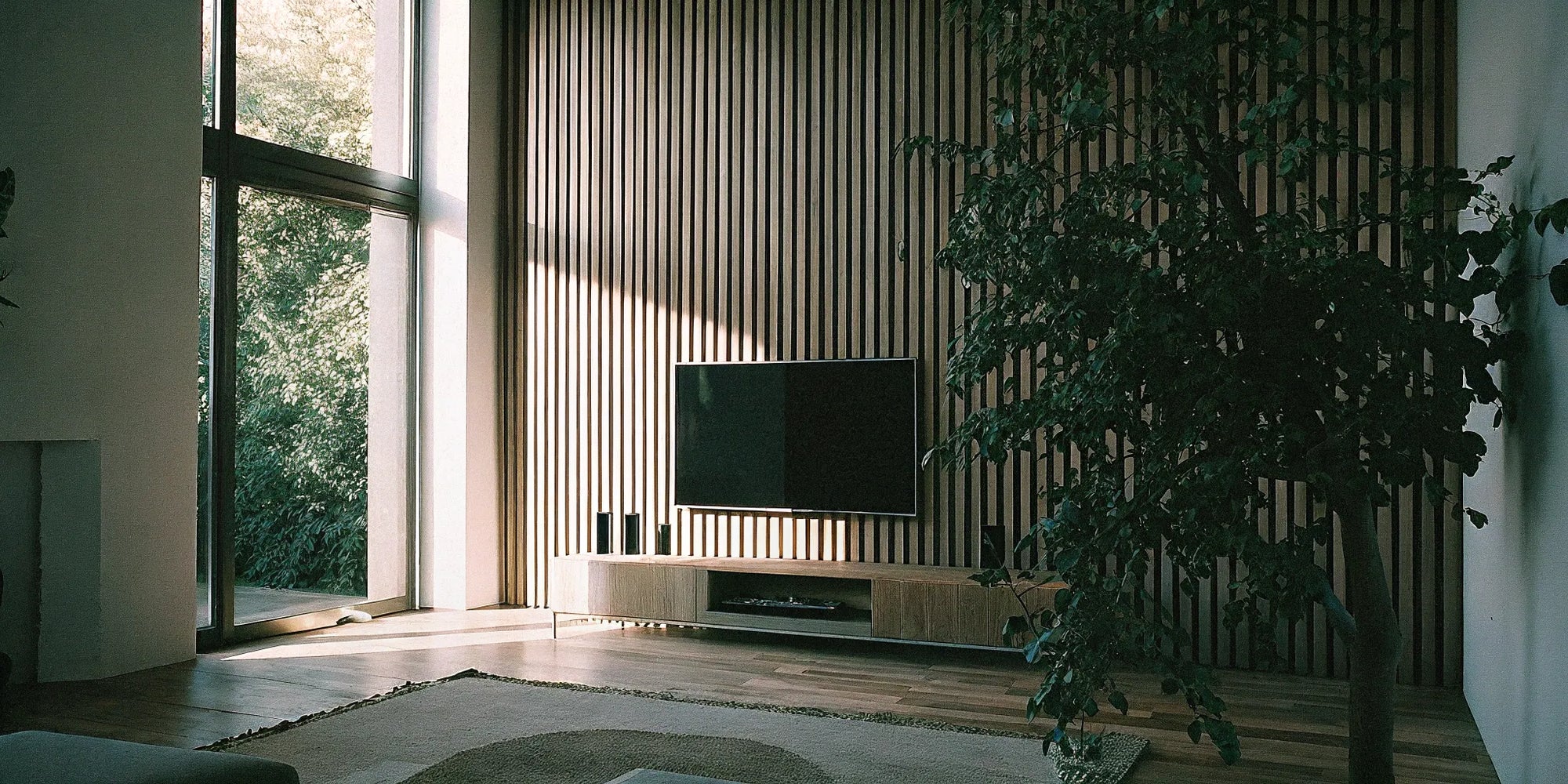
A home theater can look expensive and still sound thin, muddy, or harsh the second the movie starts. That problem often has less to do with the speakers and more to do with the room fighting every note, whisper, explosion, and line of dialogue. In many American homes, acoustic wall panels are the missing piece between buying better gear and actually hearing better sound. A family room in Texas, a finished basement in Ohio, or a bonus room in Florida can all suffer from the same issue: bare drywall, hard floors, windows, and furniture that bounce sound around before your ears can make sense of it.
That is why serious home entertainment planning belongs beside design, wiring, seating, and even smart-home upgrades on any practical home improvement resource. Good sound does not happen because a room is packed with equipment. It happens because the room supports the equipment.
Most people chase louder speakers first. The smarter move is quieter walls, calmer reflections, and cleaner listening points.
Why Home Theater Sound Falls Apart in Normal Rooms
Sound does not behave politely once it leaves a speaker. It spreads, hits walls, ricochets across the ceiling, crashes into glass, and returns to your ears late enough to blur what you were supposed to hear. The result feels familiar: dialogue disappears, bass gets boomy in one seat, and action scenes turn into noise instead of excitement.
Why Dialogue Gets Lost Before Volume Can Fix It
Dialogue problems rarely come from weak center speakers alone. A center channel can be strong, clear, and well placed, yet voices still sound buried if early reflections smear speech across the room. Those reflections arrive milliseconds after the original sound, which is enough to make consonants less sharp.
A homeowner in a suburban Atlanta basement may turn the center channel up three times and still miss half the lines. The wall beside the screen sends vocal energy sideways, the coffee table reflects sound upward, and the back wall throws late echoes forward. More volume only makes the mess louder.
The counterintuitive truth is simple: a quieter room can make dialogue feel louder. When reflections calm down, voices separate from effects. You stop leaning forward during quiet scenes because the room no longer steals the edges from every word.
Why Bass Feels Powerful in One Seat and Weak in Another
Bass has its own bad habits. Low frequencies build up in corners, cancel near certain seats, and exaggerate themselves along walls. This is why one person on the sofa feels the rumble in their chest while another hears a thin, uneven version of the same scene.
Many American homes use rectangular bonus rooms or basements for theaters, which makes these issues common. Parallel walls create pressure zones, and the seats often land where bass waves either pile up or vanish. No receiver setting can fully erase that physical problem.
A smart room plan treats bass as movement, not volume. Placement, seating distance, rugs, thick furniture, and targeted treatment all matter. The best surprise is that better bass often feels less aggressive, not more. It stops bullying the room and starts supporting the story.
Where Acoustic Wall Panels Make the Biggest Difference
A theater room does not need every wall covered. That approach can make the space feel dull, expensive, and oddly lifeless. The real skill lies in placing treatment where reflections cause the most damage, then leaving enough natural energy for the room to stay engaging.
First Reflection Points Control the First Impression
The first reflection points sit where sound from your front speakers hits the side walls before reaching your ears. These spots matter because they shape the first impression of clarity, width, and detail. Treating them can make a modest speaker system sound more focused than a costly system in a bare room.
A simple mirror test works well for many homes. Sit in the main listening seat while someone slides a mirror along the side wall. When you can see the front speaker in the mirror, that spot marks a likely reflection point. Place treatment there, and the soundstage often snaps into cleaner shape.
This does not mean the room becomes silent. It means the direct speaker sound gets priority. Music feels less smeared, dialogue gains shape, and surround effects stop blending into a flat wall of noise.
The Back Wall Can Make or Break Media Room Acoustics
The wall behind your seating area causes trouble when it sits too close to the sofa. Sound hits that surface and returns toward your ears with a delay that can make the room feel boxy or cramped. Small media rooms across the USA run into this issue because homeowners push seating against the back wall to save space.
Media room acoustics improve when that rear surface gets special attention. Thick absorption can tame slapback, while diffusion may work in larger rooms where distance allows scattered sound to breathe. The wrong choice depends on space, not taste.
A basement theater in Michigan with a sofa one foot from the rear wall usually needs absorption behind the listener. A larger California bonus room with several feet behind the seating may handle a mix of absorption and diffusion. The room tells you what it needs if you stop treating every wall like it has the same job.
Choosing Materials That Improve Sound Without Ruining the Room
Good acoustic treatment should not make a home theater look like a recording studio unless that is the style you want. Many homeowners care about the room as a living space, not only a listening box. Fabric choice, thickness, frame depth, placement height, and color all shape whether the treatment feels intentional or awkward.
Sound Absorption Panels Need Thickness, Not Magic Claims
Sound absorption panels work by converting some sound energy into tiny amounts of heat as air moves through porous material. That sounds technical, but the buying lesson is plain: thin foam squares often disappoint because they mostly affect higher frequencies. They may reduce some flutter, yet they rarely fix deeper speech or bass problems.
Better panels usually have more depth and denser cores. Fiberglass and mineral wool are common because they absorb across a broader range when built properly. Fabric-wrapped panels also look cleaner in homes, especially when matched to paint, seating, or wall trim.
The unexpected part is that prettier panels often perform better than cheap “studio foam” stuck across a wall. A framed panel with breathable fabric and real depth can blend into a family theater while doing the job a thin decorative tile only pretends to do.
Home Theater Soundproofing Is Not the Same as Room Treatment
Home theater soundproofing deals with keeping sound from leaving or entering the room. Room treatment deals with improving sound inside the room. Mixing those two ideas leads to wasted money because a product that reduces echo may do almost nothing to stop bass from reaching the bedroom above.
Real home theater soundproofing often involves mass, sealed gaps, door upgrades, insulation, resilient channels, or double drywall with damping compound. That work belongs in the construction stage whenever possible. Wall panels alone will not stop a subwoofer from shaking nearby rooms.
The practical move is to decide which problem hurts more. If your movie room sounds messy, treat the room. If your family complains upstairs every night, address isolation. Some homes need both, but they are not the same purchase hiding under different names.
How to Plan a Room That Sounds Finished, Not Overdone
A finished theater sounds balanced before it sounds dramatic. The best rooms make you forget the gear because everything arrives cleanly: speech from the screen, music across the front, effects around the seating, and bass under the action instead of all over it. That takes planning, not random shopping.
Echo Reduction Should Start With the Surfaces You Already Own
Echo reduction begins before panels go on the wall. Carpet, curtains, upholstered seating, bookcases, and thick rugs all change the way sound moves. A bare room with leather seating and tile floors needs more help than a carpeted basement with fabric recliners and heavy drapes.
A common mistake is treating walls while ignoring the floor. Hard flooring between the speakers and seating can throw sharp reflections upward. A dense rug with a pad beneath it often gives an immediate improvement, especially in living-room theaters where full wall treatment may feel too heavy.
The good news is that echo reduction can look natural. A thick curtain over a window, fabric seating, and a few wall panels placed with care can do more than a room full of random foam. The room should feel designed, not padded.
Speaker Placement and Panels Must Work Together
Panels cannot rescue careless speaker placement. Front speakers pushed into corners, surrounds aimed at the wrong height, and subwoofers placed for convenience can create problems treatment only softens. The room works best when layout and treatment support the same listening goal.
Start with the main seat. Place speakers around that position, then treat the surfaces that interfere with it. This seat-first approach feels less exciting than buying gear, but it prevents the classic mistake of building a theater around furniture placement and hoping sound will behave later.
A homeowner in a Phoenix new-build might place the screen on the only uninterrupted wall, then discover the side walls are glass on one side and an open hallway on the other. That layout can still work, but it needs a different strategy than a closed basement. Honest planning beats wishful buying every time.
Conclusion
A better home theater does not begin with the loudest demo scene or the biggest speaker box. It begins with a room that stops fighting the sound you already paid for. Once reflections settle, bass behaves, and speech gains shape, the whole space feels more expensive without becoming louder or showier.
The smartest path is measured, not extreme. Treat the first reflection points, control the rear wall, soften hard surfaces, and separate room treatment from sound isolation. Then listen before adding more. Many homeowners overbuy because they never pause long enough to hear what changed.
That is where acoustic wall panels earn their place. They are not decoration pretending to be technology, and they are not a cure for every sound problem. Used with care, they turn a normal American living space into a room that feels built for movies, sports, gaming, and music. Start with the worst reflection point, fix that first, and let the room prove the next step.
Frequently Asked Questions
How many wall panels does a home theater need?
Most small home theaters need fewer panels than people expect. Start with the first reflection points on the side walls, then address the rear wall if seats sit close to it. Add more only after listening, because too much absorption can make the room feel flat.
What is the best place to put sound absorption panels?
Side-wall first reflection points usually give the fastest improvement. Rear-wall placement matters when the seating is close to the back of the room. Front-wall treatment can also help in some layouts, especially when speakers sit near hard surfaces that reflect energy forward.
Do acoustic panels help with noisy neighbors?
They help sound inside your room, but they do not solve neighbor noise on their own. Blocking outside noise needs sound isolation, which depends on sealing gaps, adding mass, and improving doors, walls, or windows. Panels are mainly for clarity, echo control, and listening comfort.
Are foam panels good for home theater rooms?
Foam panels can reduce some high-frequency reflections, but many thin foam products do little for deeper speech, music, or bass issues. Fabric-wrapped fiberglass or mineral wool panels usually perform better in serious theater spaces while looking cleaner on residential walls.
Can wall panels improve movie dialogue clarity?
Yes, well-placed panels can make dialogue easier to understand by reducing early reflections that blur speech. The center speaker still matters, but the room often causes the bigger problem. Treating side walls and rear reflections can make voices sound cleaner at lower volumes.
What is the difference between soundproofing and acoustic treatment?
Soundproofing keeps sound from moving between rooms. Acoustic treatment improves sound quality inside the room. Soundproofing usually needs construction materials, sealed gaps, and heavier assemblies. Treatment uses panels, rugs, curtains, and placement changes to control reflections and echo.
Should panels go behind the TV or behind the seats?
Both areas can matter, but the better choice depends on the room. Seats close to the rear wall often need treatment behind them. A front wall behind speakers may also benefit from absorption, especially when the room sounds sharp or the front stage feels cluttered.
Can a home theater sound good without professional installation?
Yes, many rooms can improve with careful DIY planning. Start with speaker placement, add a rug if the floor is hard, treat first reflection points, and listen before buying more. A professional helps most when the room has odd dimensions, multiple rows, or serious bass problems.