
A roof can look perfect from the curb and still be fighting a quiet battle underneath. Poor attic movement traps heat, moisture, and stale air where they can punish shingles, framing, insulation, and comfort inside the house. For many American homeowners, roof ridge vent performance becomes the difference between an attic that breathes and one that bakes. The tricky part is that ventilation problems rarely announce themselves early. They show up as higher cooling bills, musty smells, wavy shingles, winter frost, or rooms that never feel settled. A good ridge vent does not work like a flashy upgrade. It works by staying almost invisible while giving warm air a clean exit at the highest point of the roof. That simple idea matters more than most people think. When paired with proper intake vents, it helps your home manage heat and moisture with less drama. Homeowners who care about practical home improvement advice often look for trusted resources like residential exterior planning before making roof decisions that affect the whole house.
Why Roof Ridge Vent Benefits Start With Balanced Air Movement
The best attic ventilation is not about forcing air through the space like a machine. It is about giving air a path that makes sense. Warm air rises, pressure changes, and the roof shape itself does a fair amount of work when the system is designed with balance.
How attic airflow protects the roof from trapped heat
Attic heat does not stay polite. On a July afternoon in Texas, Georgia, Arizona, or Southern California, roof decking can absorb brutal heat for hours. Without a high exit point, that heat sits above the ceiling and pushes downward into living spaces long after sunset.
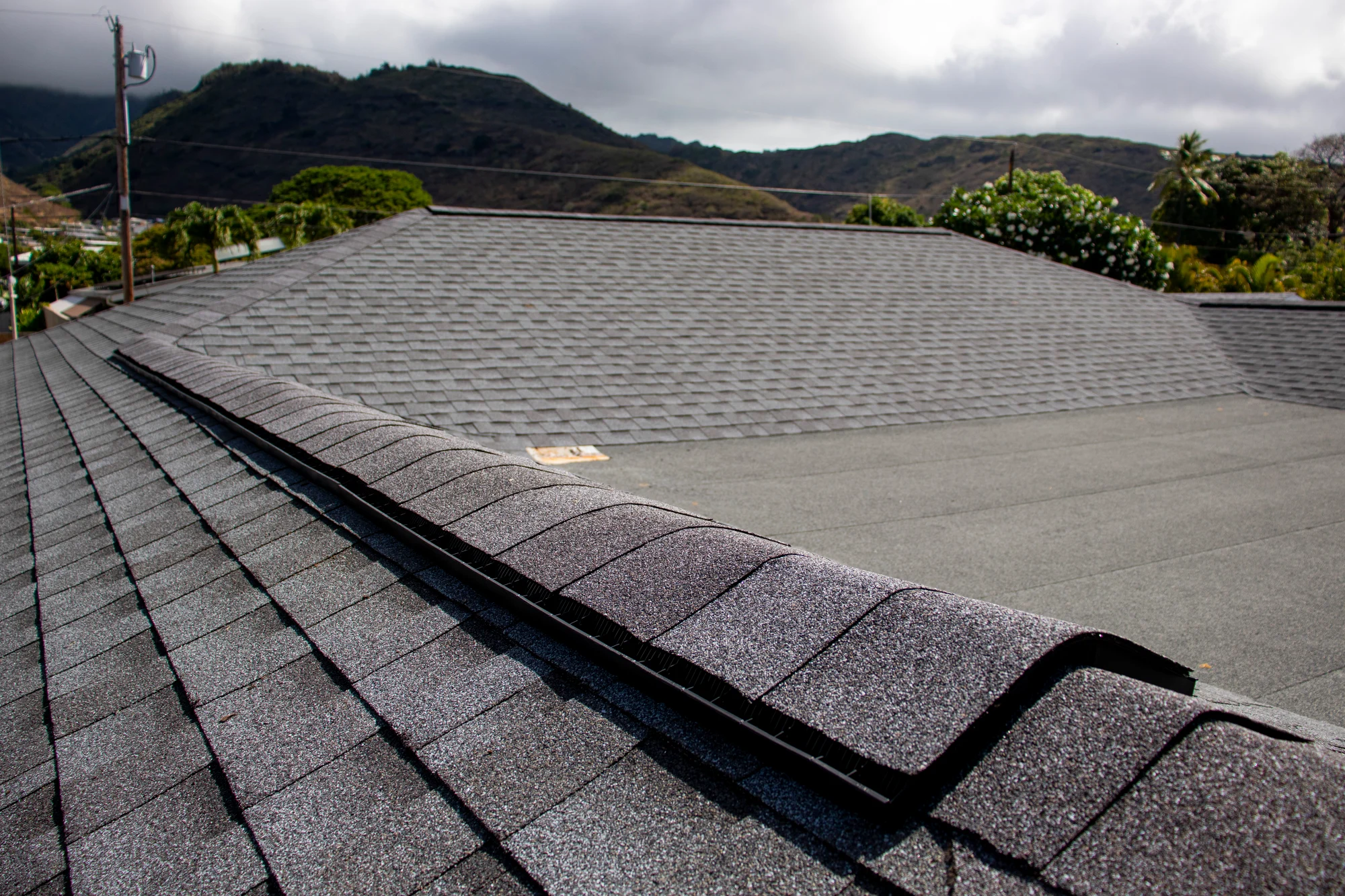
A ridge vent gives that hot air a natural escape route. Cooler outside air enters through soffit vents near the eaves, moves upward beneath the roof deck, and exits along the peak. That steady pattern reduces the attic’s heat load instead of letting it camp over your bedrooms.
The counterintuitive part is that a vent does not need to “blast” air to help. Slow, steady movement often beats aggressive shortcuts. A clean intake-and-exhaust path can outperform random vents scattered across a roof because the air knows where to go.
Why intake vents matter as much as the ridge
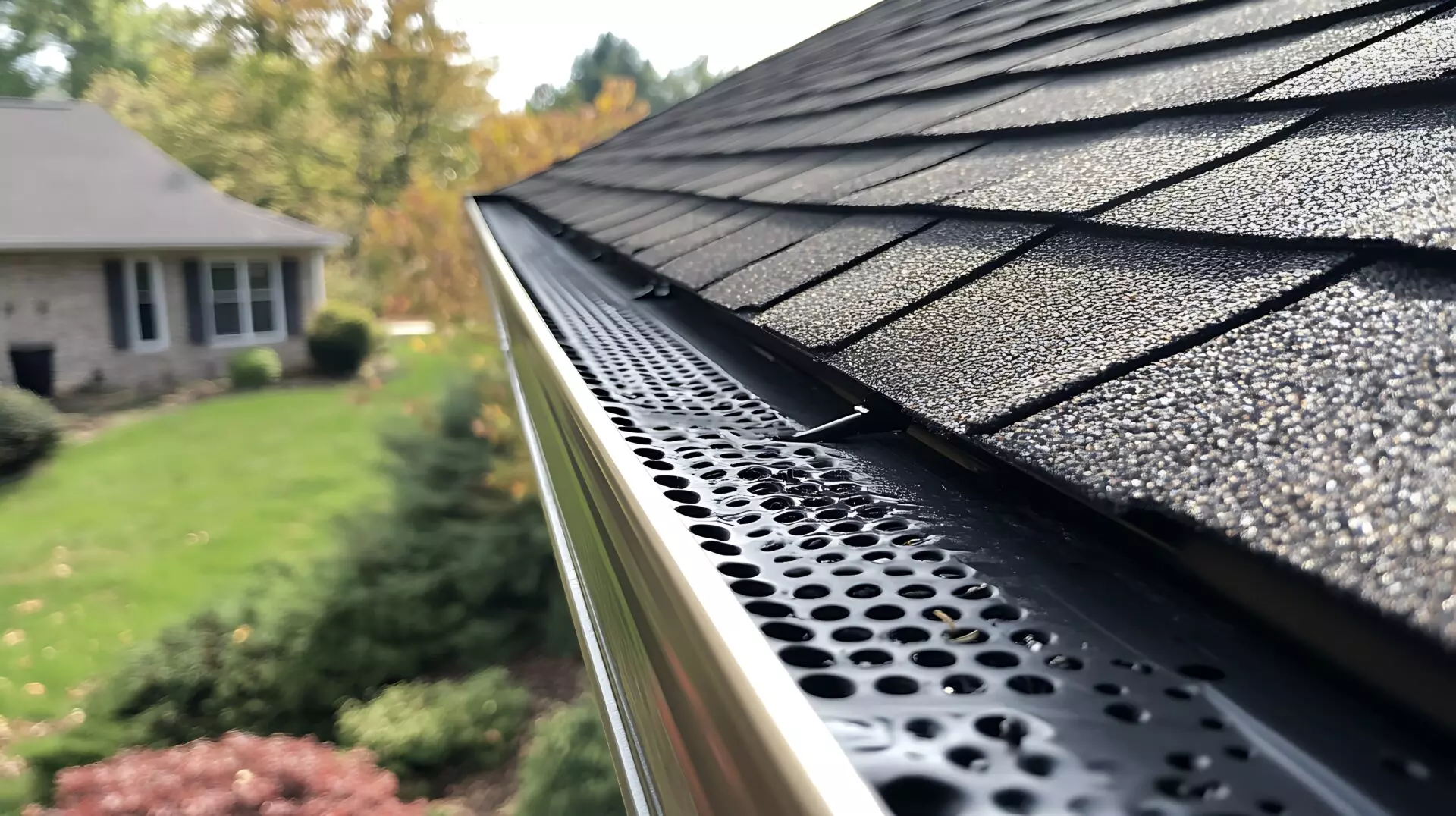
Many homeowners blame the ridge when the real problem sits under the eaves. A ridge vent cannot pull clean air from nowhere. If soffit vents are blocked by insulation, paint, dust, bird nests, or poor installation, the ridge becomes a nice-looking slot with little real value.
A common example is an older ranch home in Ohio where new blown-in insulation covers the soffit openings. The owner replaces shingles and adds a ridge vent, then wonders why the attic still feels heavy and damp. The exit exists, but the intake has been choked.
Good ventilation acts like breathing. Exhale matters, but inhale makes it possible. A roofer who checks only the top of the roof has missed half the system before the job even starts.
Temperature Control Is About More Than Summer Comfort
Heat gets most of the attention because people feel it fast. Yet attic temperature control also shapes winter performance, shingle aging, and indoor comfort across the year. A ridge system earns its keep by keeping conditions less extreme, not by making the attic feel like a finished room.
Can attic airflow lower cooling strain?
A hot attic does not automatically mean your air conditioner is failing. Many times, the AC is working against a roof space that keeps feeding heat back into the house. Bedrooms under the roof feel warmer, upstairs hallways stay stuffy, and the thermostat becomes a source of daily arguments.
Better attic airflow can reduce some of that pressure. It helps move built-up heat out before it has as much time to transfer through insulation and ceiling materials. The result is not magic, but it can make a noticeable difference in homes where the attic has been sealed up like a storage box.
This matters in places like Florida and the Carolinas, where summer heat pairs with heavy humidity. A home does not need one giant problem to feel uncomfortable. It often suffers from ten small problems working together, and attic heat is one of the sneakiest.
Why roof ventilation helps shingles age more evenly
Shingles take punishment from above and below. Sun, rain, wind, and debris hit the outside, while attic heat can bake the underside of the roof deck. That two-sided stress can speed up aging in ways homeowners do not see until curling, blistering, or uneven wear appears.
Good roof ventilation helps reduce that underside stress. It will not save poor shingles or repair bad installation, but it can create a less hostile roof environment. That is the kind of protection people overlook because it does not look dramatic on day one.
A strange truth sits here: ventilation is not mainly about making the roof cooler to the touch. It is about reducing the number of hours the roof assembly spends under punishing conditions. Over years, hours matter.
Moisture Control Keeps Small Problems From Becoming Expensive Ones
Moisture is more patient than heat. It builds slowly, hides in wood, settles into insulation, and waits for the right season to expose the damage. That is why attic ventilation belongs in every serious conversation about home durability.
How roof ventilation reduces condensation risk
Winter creates a problem many homeowners miss. Warm indoor air can leak into the attic through ceiling gaps, recessed lights, bath fans, plumbing chases, or attic hatches. When that warmer air meets cold roof decking, condensation can form.
In northern states like Minnesota, Michigan, and New York, this can show up as frost under the roof deck. Later, when temperatures rise, the frost melts and homeowners think they have a roof leak. Sometimes they do. Sometimes the attic has been sweating.
A ridge vent helps by allowing moist air to leave before it lingers against cold surfaces. Air sealing still matters, and bath fans must vent outdoors, not into the attic. Ventilation helps manage moisture, but it should not be asked to clean up every mistake in the house.
Why mold concerns often point back to poor airflow
Mold scares homeowners, and for good reason. Yet the attic story often starts before mold appears. It begins with damp insulation, dark roof sheathing, stale odors, and a space that never dries out after weather changes.
A ridge system can help dry the attic because moving air carries moisture away. That drying action matters after humid days, small roof seepage events, or seasonal temperature swings. It gives the attic a better chance to recover instead of staying damp.
The unexpected lesson is that the cleanest attic is not always the one with the most sealed roof surface. It is the one that blocks indoor air leaks, keeps rain out, and still lets the roof assembly breathe through the right channels.
Installation Quality Decides Whether the System Works
A ridge vent is simple in theory, but poor installation can wreck the whole idea. The cut can be wrong. The vent can be mismatched. Intake can be ignored. Exhaust vents can compete with each other. Small errors at the peak can create years of weak performance.
Why mixing vent types can weaken attic airflow
Homeowners often think more vents must mean better ventilation. Not always. A roof with ridge vents, box vents, gable vents, and powered fans can develop short-circuit airflow. Instead of pulling air from soffits, one exhaust vent may pull from another exhaust vent.
That means the lower attic areas stay stale while air moves only near the top. The roof looks well-vented, but the airflow pattern is lazy. This happens often after several rounds of repairs, when each contractor adds something without removing what no longer fits the system.
A clean design usually beats a crowded one. For many sloped roofs, continuous soffit intake and continuous ridge exhaust create a neat path from bottom to top. The goal is not more holes. The goal is better movement.
What homeowners should ask before approving the job
A good roofing contractor should explain intake, exhaust, roof shape, attic size, and existing vents before cutting anything. If the answer sounds like “we always install it this way,” press harder. Houses have patterns, but they also have quirks.
Ask whether the soffits are open. Ask how the ridge slot will be cut. Ask whether old box or gable vents should remain. Ask whether insulation baffles are needed to keep intake channels clear. These are not fancy questions. They are the questions that separate a real ventilation plan from a roof accessory.
One real-world example is a Cape Cod-style home with short attic slopes, knee walls, and chopped-up spaces. A ridge vent may help, but only if each attic zone has a working air path. Some homes need extra planning because the roof shape refuses to behave like a simple diagram.
Conclusion
A healthier roof starts with respect for the quiet spaces you rarely visit. The attic may not be part of your daily routine, but it shapes comfort, roof life, moisture control, and energy strain in ways that show up all over the house. A roof ridge vent works best when you treat it as part of a full system, not a single product nailed along the peak. Intake must stay open, exhaust must stay consistent, and old vent choices may need to be corrected instead of layered over. The smartest move is to inspect the attic before the next roofing project, not after shingles are already installed. Look for blocked soffits, damp sheathing, uneven temperatures, and vent types that may be fighting each other. Then bring in a qualified roofer who can explain the airflow path in plain English. Your roof does not need guesswork at its highest point; it needs a design that lets the whole house breathe with purpose.
Frequently Asked Questions
How does a ridge vent improve attic airflow in a house?
It gives warm attic air a continuous exit along the roof peak. When soffit vents bring in cooler outside air near the eaves, the attic develops a natural bottom-to-top flow that helps remove heat, moisture, and stale air.
Are ridge vents better than box vents for roof ventilation?
They often perform better on suitable roof shapes because they provide continuous exhaust across the peak. Box vents can work, but they create separate exit points. The better choice depends on roof design, intake venting, and whether the system is installed correctly.
Do ridge vents help reduce attic temperature in summer?
They can help reduce heat buildup by letting hot air escape from the highest part of the attic. They will not turn an attic into a cool room, but they can lower heat stress when paired with open soffit intake.
Can a ridge vent cause roof leaks during heavy rain?
A properly installed ridge vent should not leak under normal weather conditions. Problems usually come from poor installation, damaged vent material, wrong fasteners, missing end caps, or wind-driven rain entering through a low-quality product.
Why does a ridge vent need soffit vents to work?
Soffit vents supply the intake air that feeds the system. Without them, the ridge vent has no steady source of replacement air. That weakens movement and may cause the vent to pull air from gaps inside the home instead.
Should old roof vents be removed when adding a ridge vent?
Many homes perform better when competing exhaust vents are removed or closed. Leaving box vents or gable vents in place can interrupt the intended airflow path. A roofer should inspect the full system before deciding what stays.
How do I know if my attic ventilation is poor?
Common signs include hot upstairs rooms, musty attic odors, dark roof sheathing, damp insulation, ice dam issues, curling shingles, or frost under the roof deck in winter. These symptoms can also point to air leaks or insulation problems.
Is a ridge vent worth adding during roof replacement?
It is often worth considering because roof replacement gives contractors easy access to the peak and decking. The value depends on roof shape, intake vents, attic layout, and whether the installer designs the system instead of adding parts blindly.