

A clean gutter looks boring until the first hard rain proves how much work it does. For many U.S. homeowners, gutter guards sound like a simple fix, but the truth sits in the details: different designs handle leaves, pine needles, roof grit, and seed pods in different ways. Some keep big maple leaves out with ease, then struggle when fine debris settles on top. Others manage tiny particles better but cost more upfront. The smartest choice depends on your roof, nearby trees, local weather, and how much gutter maintenance you want to handle each year.
A homeowner in Ohio with oak trees has a different problem than a homeowner in Arizona fighting dust and roof granules. That is why smart home improvement decisions need more than a sales pitch; they need practical comparison, real-life tradeoffs, and clear thinking. Reliable resources such as home improvement insights can help homeowners weigh those choices before money goes into the wrong product. The goal is not to find a perfect guard. The goal is to pick the one that fails the least in your exact conditions.
How Gutter Guards Work Before Debris Becomes a Problem
Most gutter problems start long before water spills over the edge. A few leaves sit inside the channel, roof grit settles around them, and small twigs create the first little dam. Then rain arrives. Water slows down, debris gets heavier, and the gutter turns into a wet compost strip hanging from the roofline.
That is the hidden value of a guard system. It does not make gutters disappear from your maintenance list, but it changes what reaches the channel. The best designs reduce clogs before they start, which matters more than how clean the guard looks from the ground.
Why Leaf Protection Changes by Tree Type
Leaf protection sounds simple until you stand under different trees. Broad maple leaves act like flat shields, so many guards can block them. Pine needles behave like little darts. They slip into gaps, cling to wet surfaces, and stack in corners where water should flow.
Oak tassels, sweetgum balls, birch seeds, and helicopter seeds from maple trees all create their own mess. A screen that handles large leaves may still collect fine spring debris across the top. That buildup can slow water during a storm even when the gutter below stays open.
A real example shows the problem well. A ranch home in North Carolina under tall pines may need a tighter surface than a split-level home in Illinois surrounded by broadleaf trees. Both homes need leaf protection, but they do not need the same product.
The counterintuitive part is this: the guard that blocks the most debris is not always the easiest to live with. A tight surface may stop tiny material, yet it can also collect pollen mats, shingle grit, and wet needles that need brushing off.
Why Gutter Debris Still Needs an Exit Plan
Gutter debris does not vanish because a cover sits on top. It lands somewhere. Good design moves debris off the roof edge or keeps it loose enough for wind and rain to clear it. Poor design traps debris on top and creates a new cleaning job.
This is where roof pitch matters. A steeper roof can help shed leaves over certain guards. A low-slope roof may let debris settle in a damp line along the front edge. The same product can perform well on one house and disappoint on another.
Water speed also changes the outcome. Heavy rain can push water past some curved covers if the surface is slick or debris-covered. On the other hand, open screens may let water drop through fast but allow small grit to collect inside.
The best question is not, “Does this stop debris?” A better question is, “Where does the debris go after it hits the guard?” That one question exposes weak products fast.
Gutter Guards Compared by Material, Opening Size, and Water Flow
A guard earns its keep through three things: what it is made from, how wide its openings are, and how well it handles fast water. Sales pages tend to focus on one of those points. Homes punish all three at once.
Gutter guards can look almost identical from the curb, yet behave completely differently during a storm. Metal, plastic, foam, brush, and mesh designs each solve one problem while creating another. Your job is to pick the tradeoff you can live with.
Micro Mesh Guards for Fine Debris Control
Micro mesh guards use a tight metal or synthetic screen to block small debris. They are often the strongest option for pine needles, roof grit, seed pods, and broken leaf pieces. That makes them a strong fit for wooded areas where fine material causes repeat clogs.
The better versions use stainless steel mesh with a rigid frame. That matters because cheap flexible mesh can sag, pull loose, or trap debris in low spots. Once the surface dips, water and debris begin to sit instead of moving away.
Micro mesh guards can still need surface cleaning. Pollen, dust, and wet roof grit can form a thin skin over the mesh, especially during spring. Homeowners sometimes expect the tight screen to mean no attention at all, then feel cheated when they need a soft brush once or twice a year.
The honest view is simple. Micro mesh guards offer strong fine-debris defense, but they reward proper installation and occasional surface care. They are not magic. They are a filter, and every filter needs breathing room.
Screen and Perforated Guards for Fast Rain Movement
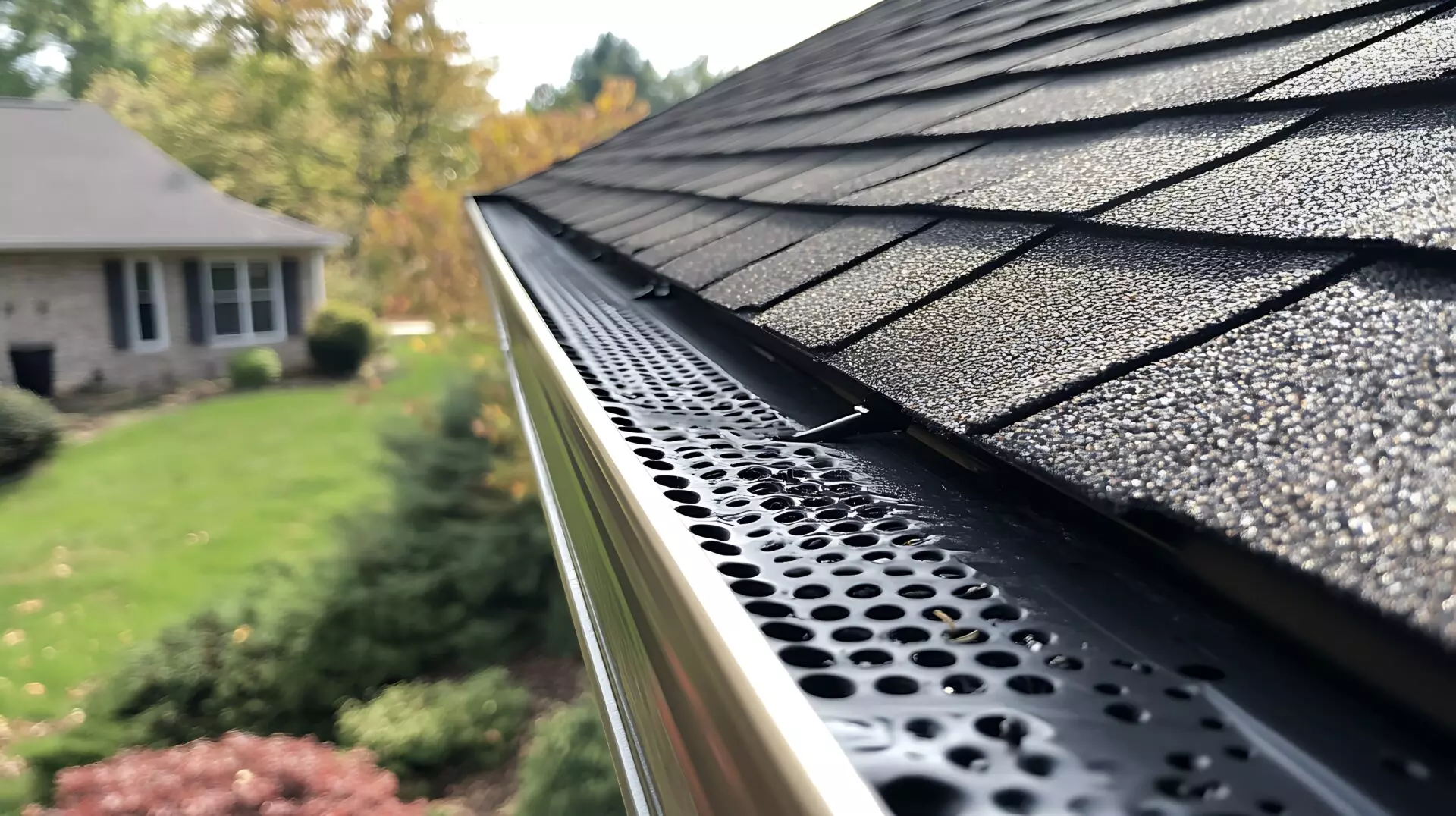
Screen guards and perforated metal covers often work well where large leaves cause the main headache. Their openings allow water to enter quickly, which helps during hard rain. They can also cost less than premium mesh systems.
The weakness sits in the same place as the strength. Larger holes invite smaller gutter debris into the channel. Pine needles, roof granules, and tiny seed parts can pass through, especially after wind breaks dry leaves into fragments.
Aluminum perforated covers tend to hold up better than thin plastic screens in hot climates. Plastic can warp under roof heat, especially on dark shingles in southern states. Once a guard bends, small gaps open near the roof edge or gutter lip.
This style makes sense for a home with big leaves and moderate tree cover. It makes less sense under pines, cedars, or trees that shed fine material. A low price does not help much when the debris size beats the opening size.
Where Brush, Foam, and Reverse Curve Designs Fit
Some guard designs feel appealing because they look simple. Foam inserts slide into the gutter. Brush guards sit inside like oversized bottle brushes. Reverse curve covers use water tension to guide rain into the channel while sending leaves over the edge.
Each can work under the right conditions. The trouble starts when homeowners mistake simple installation for long-term performance.
Foam Inserts and Brush Guards Solve One Problem at a Cost
Foam inserts block large debris from filling the gutter channel. They are easy to install, and that makes them popular with homeowners who want a fast weekend fix. For short-term leaf protection, they can reduce big clogs.
Foam also sits inside the gutter, which means water and dirt still share the same space. Roof grit can settle into the pores. Seeds may sprout in neglected sections. In damp regions, the foam can hold moisture longer than homeowners expect.
Brush guards have a similar split personality. They catch leaves near the top and allow water to pass through the bristles. Yet those same bristles can grab pine needles and small debris like a comb.
A homeowner in Pennsylvania with seasonal maple leaves may get decent performance from these simple guards. A homeowner in Oregon under fir trees may spend too much time pulling needles from the brush. Cheap does not always mean poor, but it often means more hands-on care.
Reverse Curve Covers Depend on Roof and Rain Behavior
Reverse curve systems use a rounded front edge. Rain follows the curve into the gutter, while leaves slide off the outside. The idea is clever, and under broad leaves it can work well.
Problems appear when water moves too fast. During heavy storms, rain can overshoot the curve and spill past the gutter. Debris can also collect along the nose of the cover, especially when wet leaves stick instead of falling.
Roof pitch, shingle overhang, and gutter position all affect performance. A small installation error can change how water enters the channel. That makes reverse curve covers less forgiving than they appear from the ground.
The unexpected truth is that water behavior is not always neat. Wind-driven rain, roof valleys, and second-story runoff can overwhelm a design that looked perfect in a showroom. A guard needs to work on your roof, not on a display sample.
Matching Guard Choice to Climate, Roof Shape, and Maintenance Habits
The right product comes from matching the guard to the house. That sounds plain, but many homeowners skip this step because they buy based on price, brand, or a neighbor’s recommendation. Those can help, but they do not replace looking at the roof and yard.
A shaded home with moss risk, a steep roof with fast runoff, and a one-story home with easy ladder access all call for different thinking. The guard is only one part of the system. The roof, gutters, trees, and weather decide whether it works.
How Roof Valleys and Storm Intensity Change Performance
Roof valleys send a lot of water into one small area. During a summer thunderstorm in Florida or Texas, that water can hit the gutter with force. Even a good guard can struggle if the valley dumps water faster than the opening can accept it.
Some homes need diverters near valleys. Others need larger downspouts or wider gutters before any guard makes sense. Covering an undersized gutter does not fix the water volume problem. It may hide it until the next hard rain.
Cold climates add another layer. Snow, ice, and freeze-thaw cycles can put stress on guards and fasteners. A loose guard near the roof edge can lift, rattle, or create gaps that invite debris.
A smart installer looks at water paths before recommending a product. If they only talk about the guard material, they are skipping half the job.
Why Your Cleaning Tolerance Matters More Than Marketing Claims
Some homeowners want to clean gutters less often. Others want to avoid ladder work because of age, injury risk, or a steep lot. Those are different goals, and they lead to different choices.
If you can safely brush off a one-story guard twice a year, a lower-cost option may serve you well. If your home has a high roofline over a sloped driveway, paying more for a better system may be worth it. The price of a guard should be weighed against the risk and hassle of reaching it.
Gutter maintenance never disappears. Downspouts still need checking. Roof valleys still need attention. Storms can still leave piles of leaves where wind drops them.
Good marketing sells freedom. Good planning buys control. That difference matters when rain is falling and water is heading toward the foundation.
Choosing a System That Protects the House, Not the Sales Pitch
A gutter system protects siding, soil, basement walls, fascia boards, and landscaping. The guard only matters because it helps that system move water away from the home. When you judge it by that standard, the decision becomes much clearer.
The best choice is rarely the flashiest one. It is the design that matches your debris, handles your rainfall, works with your roof shape, and fits your maintenance limits. That takes a little more thought upfront, but it saves frustration later.
What to Check Before Buying Any Guard System
Start with the debris you see after each season. Large leaves point toward screens, perforated covers, or reverse curve systems. Pine needles, shingle grit, and seed pods point toward micro mesh guards or tighter openings.
Next, inspect the gutters themselves. Sagging sections, loose hangers, poor slope, and undersized downspouts should be fixed first. A guard on a weak gutter is like a good lid on a cracked bucket.
Ask how the system attaches. Some guards tuck under shingles, while others fasten to the gutter lip or fascia. Shingle warranties and roof condition matter here, especially on newer roofs.
A homeowner in a leafy Atlanta suburb may need strong fine-debris control and bigger downspouts near valleys. A homeowner in Denver may care more about snow load and roof grit. The product label matters less than the conditions around the house.
When Professional Installation Is Worth Paying For
Professional installation makes sense when the roof is high, steep, complex, or already showing gutter problems. It also helps when the system needs custom cuts around valleys, corners, or unusual rooflines. Those details decide whether water enters cleanly or spills where it should not.
DIY can work on simple one-story homes with safe access and basic screen products. The work still needs care. Gaps at corners, loose ends, and uneven slopes can undo the value of the guard.
A good contractor should talk about downspouts, roof valleys, fascia condition, and tree type. If the conversation stays only on product features, slow down. A guard system is not a sticker you place on the gutter; it is part of a water-control plan.
The smartest homeowners choose gutter guards after studying how their house already behaves in bad weather. Watch one storm, check where debris gathers, and note which downspouts slow first. Then buy the system that solves the real problem, not the one with the loudest promise.
Frequently Asked Questions
What type of gutter guard works best for pine needles?
Micro mesh guards usually perform best around pine needles because the openings are tight enough to block narrow debris. Standard screens and brush inserts often struggle because needles slip through or get caught. Proper installation still matters because small gaps can let needles enter near edges.
Are gutter guards worth it for homes with few trees?
They can still help if roof grit, windblown debris, or nearby neighborhood trees create buildup. Homes with few trees may not need premium systems, though. A simpler screen or periodic cleaning plan may offer enough protection without the cost of a high-end product.
Do gutter guards stop all gutter cleaning?
No guard stops all cleaning forever. Most systems reduce how often gutters need attention, but surfaces, downspouts, and roof valleys still need checks. Leaves can pile on top, fine debris can settle, and storms can expose weak spots in the system.
Which gutter guard is best for heavy rain?
Perforated metal and well-designed micro mesh systems often handle heavy rain well when paired with proper gutter size and downspouts. Roof valleys may need extra attention. If water volume exceeds the gutter’s capacity, no guard style can fully solve the overflow problem.
Can gutter guards cause roof damage?
Poor installation can create roof issues, especially when guards are forced under shingles or fastened in ways that disturb roof edges. A safe system should respect the roof design and drainage path. Homeowners with newer roofs should also check warranty terms before installation.
How often should gutter guards be cleaned?
Most homes benefit from checking guards at least twice a year, usually in spring and fall. Houses under heavy trees may need more frequent surface clearing. The goal is to remove buildup before it blocks water flow or adds weight to the gutter edge.
Are foam gutter inserts a good long-term choice?
Foam inserts can help for light leaf problems, but they often need more care over time. Dirt, seeds, and roof grit can settle into the material. They may suit short-term or low-budget needs, but wooded or damp areas usually demand a stronger option.
Should I install gutter guards myself or hire a contractor?
DIY works best on low, simple rooflines with easy ladder access and basic guard products. Professional help is safer for tall homes, steep roofs, complex valleys, or damaged gutters. The right choice depends on access, product type, and how much correction the existing gutter system needs.