A house can look polished in photos and still wear you out by Tuesday. That is the part glossy design talk misses, and it is exactly why dwelling designs matter more than trendy finishes, oversized islands, or a sofa chosen for bragging rights instead of back support.
You do not live in a floor plan. You live in the tiny moments inside it: the morning shuffle to the kettle, the school bags dumped by the door, the call you take while stirring soup, the tired walk back from work when every bad layout choice feels personal. Good homes make those moments easier without begging for applause. Great ones do it so quietly you almost forget they are working on your behalf. The smartest rooms feel calm because they solve problems before they start. When a home flows well, your shoulders drop. You move better. You think better. Even the mess feels easier to tame. That is the real promise of comfortable, well-planned living, and it has very little to do with showing off. It has everything to do with building a home that keeps pace with your real life.
Start With How Life Actually Happens at Home
A comfortable home begins with honesty. Most people design around fantasy versions of themselves, then wonder why the place never feels right once normal life barges in with laundry piles, snack wrappers, work calls, and muddy shoes.
The fix is not glamorous, but it works. Watch how your day moves from room to room, notice where you pause, where you bump into things, and where clutter gathers like it pays rent. Those friction points tell the truth faster than any mood board. They show you whether your home supports your habits or quietly fights them. That is where better planning starts, and it sets up every other decision that follows.
Build Around Daily Routines, Not Decorative Dreams
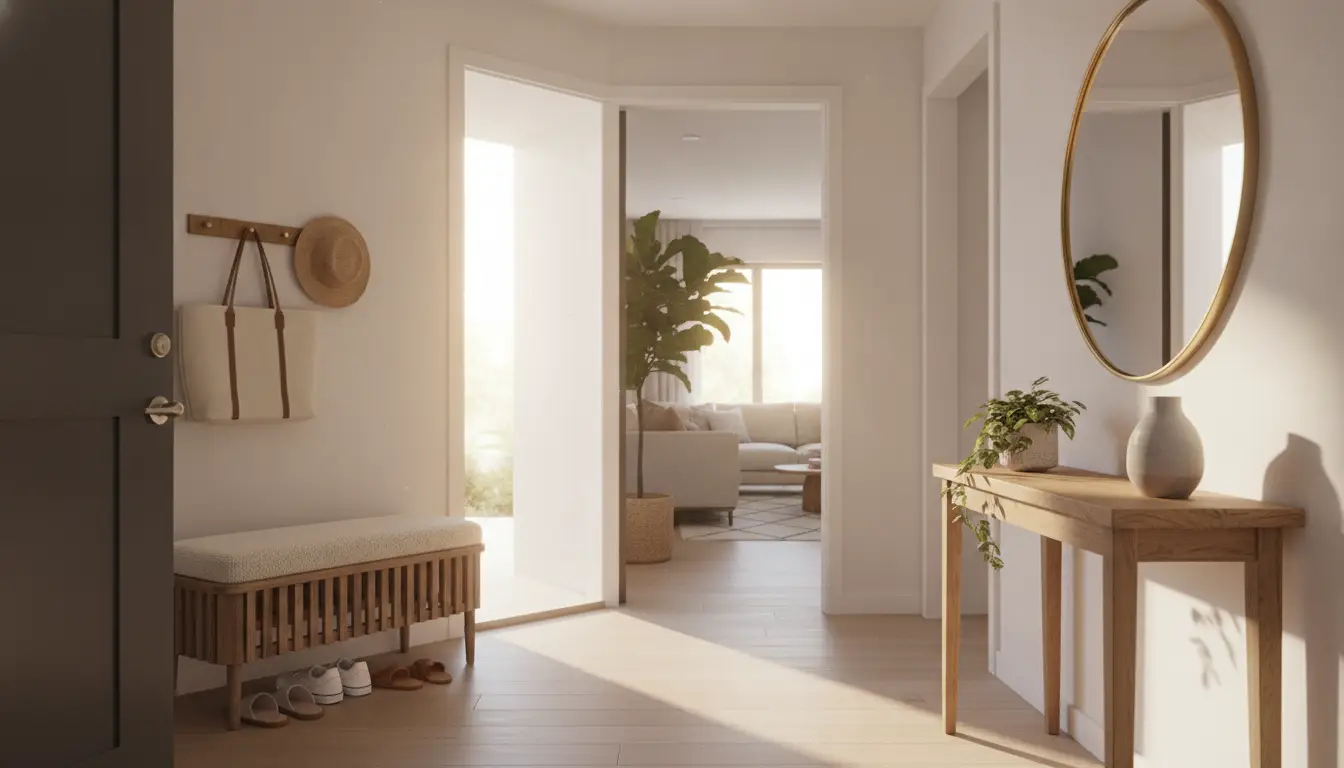
Your home should follow your habits, not punish them. If everyone drops keys, bags, and jackets near the front door, stop pretending a blank hallway will stay elegant forever and give that behavior a proper landing spot instead.
A slim console, wall hooks, a bench with hidden storage, and a basket for stray shoes can turn daily chaos into an easy ritual. Families do this all the time without realizing how much pressure it removes. One well-placed storage zone near the entry can save the living room from looking like a lost-and-found by noon.
The same idea works in kitchens, bedrooms, and bathrooms. Keep the coffee gear near the mugs, the chargers where people actually sit, and the laundry supplies close to the hamper. Obvious? Yes. Often ignored? Also yes. Smart dwelling designs respect your real movements, and that is where comfort begins to feel natural.
Let High-Traffic Areas Earn Their Keep
Busy parts of the home need more than good looks. They need toughness, breathing room, and enough common sense to survive repeated use without turning into a daily annoyance.
Think about the path from the front door to the kitchen, or from the bedroom to the bathroom in the half-light of early morning. That route should feel clear and forgiving. A narrow side table, a sharp-edged stool, or a rug that slips underfoot may seem harmless in a staged photo. In real life, they become tiny acts of sabotage.
I have seen modest homes feel far better than larger ones simply because the owners respected movement. They left enough space to pass through, chose furniture that fit the room instead of bullying it, and kept the busiest corners clean in both layout and purpose. That is not fancy design. That is grown-up design. Big difference.
Make Rooms Flexible Without Making Them Feel Temporary
Homes work hardest when rooms can stretch a little. Life changes faster than walls do, and the best spaces know how to shift with your needs without feeling like a folding-chair compromise.
A dining area becomes homework central. A spare room turns into an office, then a guest room, then a nursery, then a workout nook with suspiciously good intentions. This is normal. The goal is not to lock each room into one narrow identity. It is to give it a strong purpose with enough flexibility to handle the next chapter. That balance keeps a home useful instead of frozen in time, and it makes comfortable everyday living feel possible even when life gets messy.
Choose Furniture That Solves More Than One Problem
Furniture should carry some weight beyond looking pretty. A bench that stores blankets, a coffee table with drawers, or a bed with built-in shelving can free up square footage without making the room feel cramped or overly busy.
This is especially helpful in smaller homes, where every piece must justify its footprint. A round dining table can soften circulation in a tight room, while nesting side tables give you surface space only when you need it. That is a better trade than stuffing the room with pieces that behave like permanent guests who never lift a finger.
Multi-use furniture works best when it still feels solid and intentional. No one wants a home that feels like a trade-show demo. Pick pieces that look calm in the room first, then reward you with extra function later. Quiet usefulness beats clever gimmicks every time.
Give Shared Spaces Clear Zones Without Building Walls
Open layouts can feel airy, but they can also feel like one long shrug if you do not define what happens where. When cooking, working, relaxing, and scrolling all happen in the same visual field, the room starts to feel restless.
The answer is not always a full renovation. Rugs, lighting, shelving, and furniture placement can create subtle borders that tell your brain what each area is for. A reading chair and lamp can make one corner feel like its own retreat. A low bookcase behind a sofa can separate lounging from dining without chopping the room into awkward pieces.
This matters more now because homes do more jobs than ever. You might take meetings at the table, help with homework on the sofa, and host friends in the same space on Saturday night. Clear zones make those shifts easier. They also keep a room from feeling like every activity is shouting over the others.
Comfort Lives in Light, Sound, and Texture
Most design mistakes are not visual. They are sensory. A room can be technically beautiful and still feel wrong because the light is harsh, the seating is stiff, the echo is sharp, or every surface seems chosen by someone who has never sat down.
That is why material choices matter so much. Not in a fussy, showroom way. In a body-level, nervous-system way. The quality of light, the softness of what you touch, and the amount of noise a room throws back at you can change how a whole home feels. This is where many people finally understand what comfortable everyday living really means. It is not just having space. It is having space that lets you exhale.
Use Natural Light Well, Then Back It Up Properly
Daylight can save a room, but only if you treat it with some respect. Heavy window dressings, badly placed mirrors, or furniture that blocks light paths can make a home feel smaller and flatter than it really is.
Start by noticing when the light is best in each room. Morning light in a kitchen can make breakfast feel less rushed. Soft afternoon light in a sitting area can turn a bland corner into the most loved spot in the house. Once you know the pattern, you can support it with lighter fabrics, reflective finishes, and layout choices that do not choke it off.
Then handle artificial lighting like an adult, not as an afterthought. One overhead light is rarely enough. Layer it. Use task lighting where work happens, softer lamps where rest happens, and warmer bulbs in places meant to calm the mind. The home and design features at PR Network often point readers toward that kind of lived-in practicality, and honestly, more design advice should.
Soften the Room Before You Try to Impress Anyone
A comfortable room touches back. That sounds dramatic, but it is true. Hard floors, bare walls, stiff upholstery, and cold finishes can make a home feel loud and emotionally distant even when everything matches beautifully.
Texture fixes that faster than expensive upgrades. A woven rug, linen curtains, a slightly rumpled throw, wood with visible grain, or a chair you can sit in for an hour without resenting it can change the whole mood. You do not need a room stuffed with fabrics. You need contrast. Something smooth, something soft, something grounded, something warm.
Sound matters too. Curtains, cushions, bookshelves, and rugs help absorb echo and tame sharp noise, especially in open spaces. This is one of those quiet design truths nobody brags about online, yet everyone feels in person. A room that sounds calmer usually feels more welcoming before anyone even says hello.
Style Lasts Longer When It Supports Real Maintenance
A home does not fail because it stops looking new. It fails when keeping it decent becomes so tiring that you slowly give up. That is the point where frustration sets in, and even beautiful rooms start to feel like chores with cushions.
Easy maintenance is not boring. It is freedom. It means materials that age well, storage that matches your habits, and finishes that can handle ordinary life without a meltdown. The right design choices lower the daily workload of living at home, and that changes everything. You enjoy the space more because it is not constantly asking for rescue.
Pick Finishes That Improve With Use, Not Despite It
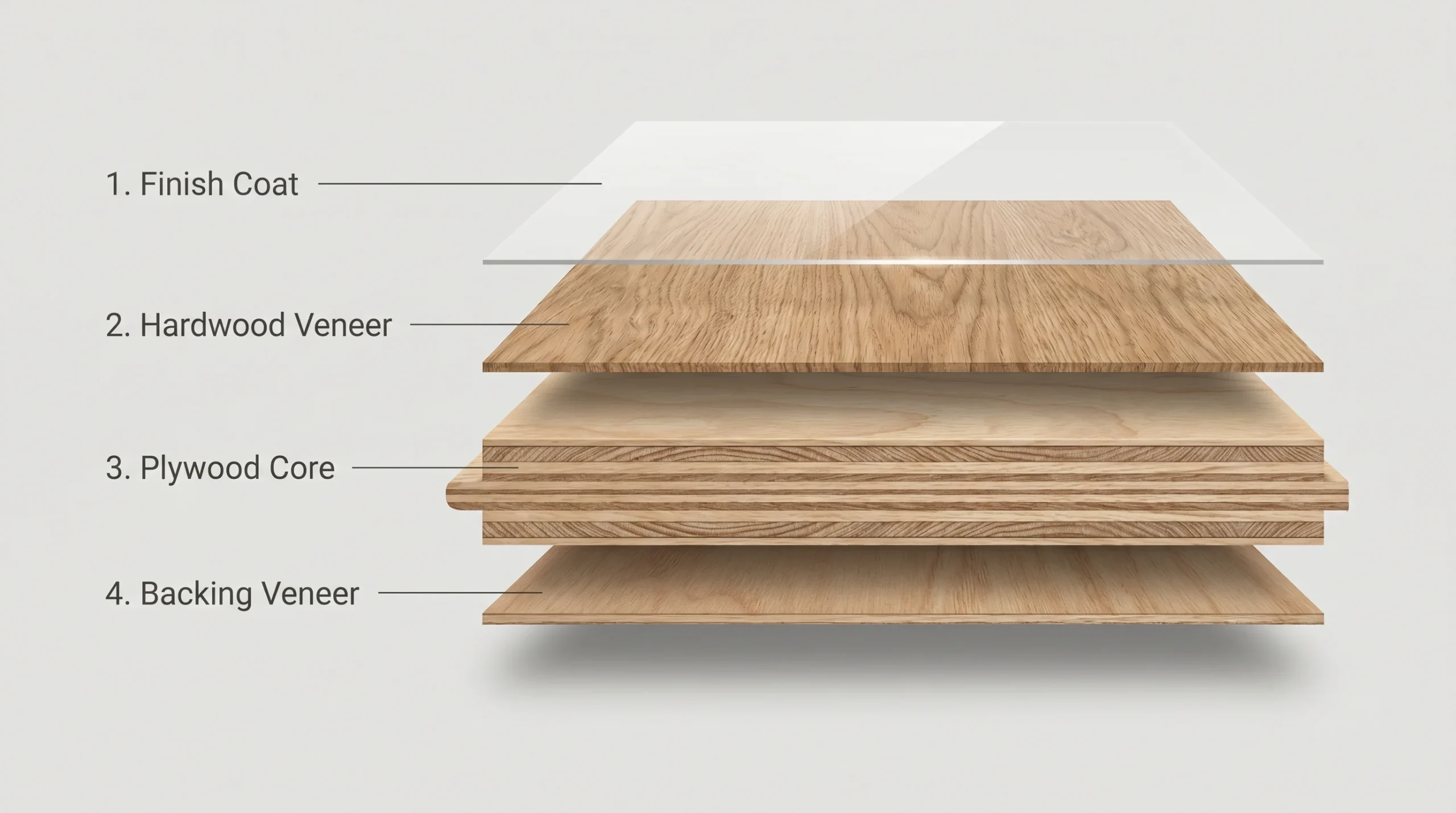
Some materials look best on day one and get worse from there. Others gather character and become more convincing with time. You want more of the second category and far less of the first.
Wood that can take a scratch and still look honest, washable paint, forgiving upholstery, durable tile, and hardware that feels good in the hand all make a difference. A busy household with children, guests, or pets does not need fragile surfaces that demand apology-level care. That is not luxury. That is stress in a fancy jacket.
A well-chosen finish should age like a leather notebook, not like a white shirt at a spaghetti dinner. The best homes are not spotless museum boxes. They are steady, resilient places that keep their dignity while life unfolds inside them. That is a stronger kind of beauty, and it sticks.
Design Storage for the Mess You Really Make
Storage works only when it fits the clutter you actually produce. Deep cupboards that swallow items whole, tiny drawers that hold nothing useful, or shelves placed too high to use daily are not solutions. They are decorative lies.
Think in categories: shoes near the door, paper near the desk, bedding near the bed, cleaning supplies near the mess they clean. Then think in speed. Can you put things away in ten seconds? If not, the system is too complicated for a tired Tuesday night. Real order depends on low effort.
This is also where comfortable everyday living stops being an idea and starts becoming visible. When storage feels natural, the house resets faster. When it resets faster, you enjoy it more. Simple. If you want one rule to remember, let it be this: the easier it is to maintain, the more likely it is to stay beautiful.
Conclusion
The homes that stay lovable are rarely the ones chasing attention the hardest. They are the ones built around your mornings, your tired evenings, your habits, your people, and the very ordinary patterns that make up a real life. That is why strong dwelling designs are never just about appearance. They are about relief. They cut friction, calm noise, support movement, and make each room pull its weight without feeling bossy about it.
You do not need a giant budget or a dramatic renovation to get there. You need sharper observation, a bit of honesty, and the nerve to choose what works over what photographs well. That choice pays off every single day, which is more than most design trends can claim. A comfortable home should not ask you to perform for it. It should meet you where you are and make life feel steadier, easier, and warmer. Start with one room, fix one repeated annoyance, and build from there. Then keep going. The next best version of your home is probably not farther away. It is just waiting for smarter decisions.
FAQ 1: What makes a dwelling design comfortable for everyday living?
Comfort comes from flow, light, storage, and furniture that fits how you actually live. A good design removes small daily frustrations, supports movement, softens noise, and makes common tasks easier, so the home feels calm instead of demanding or cluttered.
FAQ 2: How do I choose the best layout for a family home?
Start by tracking your daily routine, not your wishlist. Notice traffic paths, clutter zones, and where people naturally gather. Then shape the layout around those patterns, giving shared areas breathing room, useful storage, and flexible spots for work, rest, meals, play.
FAQ 3: Are open-plan homes better for comfortable everyday living?
They can be, but only when you create clear zones inside them. Without visual boundaries, open rooms feel noisy and scattered. Rugs, lighting, furniture placement, and shelving help divide activities, making the space feel organized, usable, and calmer every single day.
FAQ 4: Which materials work best in high-traffic living spaces?
Choose surfaces that can take wear without looking tired too quickly. Wood, washable paint, durable tile, easy-care fabrics, and forgiving upholstery usually perform well. The smartest materials do not just survive daily use; they still look honest and welcoming afterward.
FAQ 5: How can small homes use dwelling designs more effectively?
Small homes improve fast when every item earns its place. Use multi-purpose furniture, vertical storage, slim pathways, and clearly defined zones. The trick is not squeezing in more stuff. It is giving each function a home without crowding the room.
FAQ 6: Why does lighting matter so much in home comfort?
Lighting shapes mood, focus, and how large a room feels. Natural light lifts the space, while layered artificial light helps you cook, read, work, and relax comfortably. One harsh ceiling light rarely does the job, and your eyes know it.
FAQ 7: How often should I update my home design for better comfort?
You do not need constant updates. Review your home whenever routines change, like remote work, children, aging parents, or a move. Most comfort problems come from outdated layouts, not stale style, so small practical changes often solve bigger frustrations quickly.
FAQ 8: What is the biggest mistake people make when designing a home?
They design for an imagined lifestyle instead of the one they actually live. That leads to awkward layouts, weak storage, and pretty rooms that feel annoying by midweek. A home should support your habits first, then look good doing it.